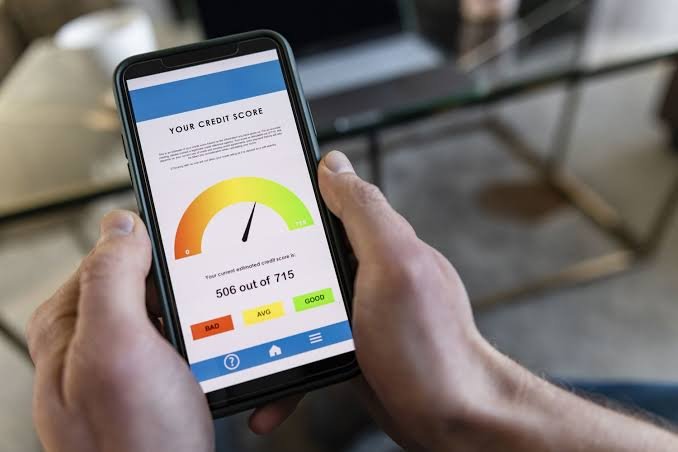
How to Improve Your Credit Score Fast in 2026: Proven Strategies That Work
Meta Title: How to Improve Your Credit Score Fast in 2026 | Credit Guide
Meta Description: Learn how to improve your credit score fast with proven strategies. Discover credit repair tips, payment methods, utilization hacks, and expert advice.
How to Improve Your Credit Score Fast in 2026
Your credit score plays an important role in your financial life. A higher credit score can help you qualify for lower interest rates on loans, better credit card offers, lower insurance costs, and improved financial opportunities.
If your credit score is lower than you would like, the good news is that there are practical steps you can take to improve it. While there is no overnight solution for building excellent credit, certain strategies can create noticeable improvements in a relatively short time.
In 2026, lenders continue to rely heavily on credit scores when evaluating applications for mortgages, personal loans, auto loans, and credit cards. Understanding how credit scoring works and taking the right actions can help you strengthen your credit profile.
This guide explains how to improve your credit score quickly, what factors influence your score, mistakes to avoid, and long-term habits that support healthy credit.
Table of Contents
- What Is a Credit Score?
- How Credit Scores Are Calculated
- Ways to Improve Your Credit Score Fast
- Pay Bills on Time
- Reduce Credit Card Balances
- Check Your Credit Report
- Increase Your Credit Limit
- Remove Errors From Your Report
- Avoid Common Credit Mistakes
- FAQs
- Conclusion
What Is a Credit Score?
A credit score is a three-digit number that represents your creditworthiness. It helps lenders predict how likely you are to repay borrowed money.
Most lenders use FICO® Scores and VantageScore models when evaluating borrowers.
Credit scores generally range from:
- 300–579: Poor
- 580–669: Fair
- 670–739: Good
- 740–799: Very Good
- 800–850: Excellent
A higher score usually means lower lending risk, which may help you receive better financial terms.
Why Is a Good Credit Score Important?
A strong credit score can provide several benefits:
Lower Interest Rates
Borrowers with higher scores often qualify for lower interest rates, saving money over the life of loans.
Better Loan Approval Chances
A higher score can improve your chances of approval for:
- Personal loans
- Auto loans
- Mortgages
- Credit cards
Higher Credit Limits
Credit card issuers may offer higher limits to borrowers with stronger credit histories.
Better Financial Opportunities
Good credit can make it easier to rent an apartment, qualify for utilities, and access financial products.
How Credit Scores Are Calculated
Understanding the factors behind your score helps you know where to focus your efforts.
1. Payment History (35%)
Payment history is the largest factor in most credit scoring models.
It includes:
- On-time payments
- Late payments
- Collections
- Bankruptcies
Making every payment on time is one of the most effective ways to improve your score.
2. Credit Utilization (30%)
Credit utilization measures how much of your available credit you are using.
Example:
- Credit limit: $10,000
- Balance: $3,000
- Utilization: 30%
Lower utilization is generally better.
Many experts recommend keeping credit utilization below 30%, and lower percentages may benefit your score even more.
3. Length of Credit History
Credit scoring models consider:
- Age of your oldest account
- Average account age
- How long accounts have been active
Keeping older accounts open can support a longer credit history.
4. Credit Mix
Having different types of credit accounts may positively influence your score.
Examples:
- Credit cards
- Auto loans
- Student loans
- Mortgages
You do not need to open unnecessary accounts just to improve credit mix.
5. New Credit Applications
Applying for many new credit accounts within a short period may create multiple hard inquiries and temporarily affect your score.
How to Improve Your Credit Score Fast
1. Pay Every Bill on Time
The fastest way to protect your credit score is to avoid missed payments.
Consider:
- Setting up automatic payments
- Creating calendar reminders
- Using payment alerts
- Paying at least the minimum amount due
A single late payment can remain on your credit report for years, so consistency is essential.
2. Lower Your Credit Card Balances
Reducing credit card debt is one of the quickest ways to improve your credit utilization ratio.
Strategies include:
Pay Before Your Statement Date
Credit card companies often report balances based on your statement information. Paying before the statement closes may reduce reported utilization.
Focus on High-Balance Cards
Paying down cards with the highest utilization percentages may provide a faster improvement.
Use the Debt Snowball Method
Pay smaller balances first to create momentum.
Use the Debt Avalanche Method
Pay high-interest debt first to save more money.
3. Review Your Credit Reports
Errors on credit reports can negatively affect your score.
Check your reports regularly for:
- Incorrect account information
- Wrong payment history
- Duplicate accounts
- Unauthorized accounts
- Incorrect balances
You can access free credit reports through the official Annual Credit Report website.
4. Dispute Credit Report Errors
If you find inaccurate information, you can dispute it with the credit reporting agencies.
Common disputes include:
- Accounts that do not belong to you
- Incorrect late payments
- Wrong account status
- Incorrect personal information
Removing inaccurate information may improve your credit score.
5. Increase Your Credit Limit
Requesting a higher credit limit can reduce your utilization ratio if your spending stays the same.
Example:
Before:
- Credit limit: $5,000
- Balance: $2,500
- Utilization: 50%
After increase:
- Credit limit: $10,000
- Balance: $2,500
- Utilization: 25%
However, avoid increasing your spending after receiving a higher limit.
6. Become an Authorized User
If you have a trusted family member or friend with a long, positive credit history, becoming an authorized user on their credit card may help improve your credit profile.
When you are added as an authorized user, the account history may appear on your credit report depending on the card issuer and credit reporting practices.
Benefits may include:
- Building credit history
- Improving credit mix
- Lowering average credit utilization
Before becoming an authorized user, make sure the primary cardholder:
- Pays bills on time
- Maintains low balances
- Uses credit responsibly
A negative payment history on the account could potentially hurt your credit profile.
7. Use a Secured Credit Card
A secured credit card can be helpful for people who have limited credit history or are rebuilding their credit.
A secured card usually requires a refundable security deposit that acts as collateral.
How it works:
- You provide a security deposit.
- The lender gives you a credit limit based on the deposit.
- You use the card like a regular credit card.
- Your payment activity is reported to credit bureaus.
Making consistent on-time payments can help establish a stronger credit history.
8. Consider a Credit Builder Loan
A credit builder loan is designed specifically to help people establish or improve credit.
Instead of receiving money upfront, payments are placed into an account while you make monthly payments. After completing the loan term, you receive access to the funds.
Benefits:
- Builds payment history
- Helps develop saving habits
- May improve credit profile
Always compare fees and terms before applying.
9. Keep Old Credit Accounts Open
Closing old credit cards may reduce your available credit and shorten your credit history.
Before closing an account, consider:
- Annual fees
- Credit limit impact
- Account age
- Your overall financial goals
If an old card has no annual fee, keeping it open may help maintain your credit history.
10. Limit New Credit Applications
Every time you apply for credit, a hard inquiry may appear on your credit report.
Too many applications in a short period may signal financial risk to lenders.
Instead:
- Research cards and loans before applying
- Use prequalification tools when available
- Apply only when necessary
Things That Can Hurt Your Credit Score
Improving your credit score requires avoiding actions that create setbacks.
Missing Payments
Late payments are one of the biggest factors that can damage your credit score.
Maxing Out Credit Cards
High balances increase your credit utilization ratio and may lower your score.
Ignoring Bills
Unpaid accounts may eventually be sent to collections.
Closing Multiple Accounts
Closing several accounts at once can affect utilization and credit history length.
Applying for Too Much Credit
Frequent applications may result in multiple hard inquiries.
How Long Does It Take to Improve Your Credit Score?
The timeline depends on your current credit situation.
Possible improvements:
- 30–60 days: Lowering credit card balances may show changes after lenders report updates.
- Several months: Consistent on-time payments can improve your payment history.
- 6–12 months: Responsible credit habits can create noticeable improvements.
- Years: Major negative events such as bankruptcies may take longer to recover from.
The fastest improvements usually come from correcting errors and reducing high credit card balances.
Credit Score Improvement Checklist
Use this checklist to build better credit habits:
✓ Pay all bills on time
✓ Check credit reports regularly
✓ Dispute inaccurate information
✓ Keep credit card balances low
✓ Avoid unnecessary applications
✓ Maintain older accounts
✓ Monitor your credit regularly
✓ Create a realistic budget
✓ Build an emergency fund
Frequently Asked Questions
How can I increase my credit score quickly?
The fastest ways to potentially improve your score include paying down credit card balances, correcting credit report errors, and ensuring all payments are made on time.
How many points can my credit score increase in one month?
The increase varies depending on your credit profile. Some people may see significant changes after reducing high credit utilization, while others may need several months of positive payment history.
Does paying off a credit card improve your credit score?
Paying down a credit card balance can reduce credit utilization, which may positively affect your score. However, credit scoring depends on multiple factors.
Can I improve my credit score without paying a company?
Yes. Many credit improvement steps can be completed yourself, including reviewing credit reports, disputing errors, reducing balances, and managing payments responsibly.
How often should I check my credit report?
Checking your credit reports regularly can help you identify errors, fraud, or inaccurate information early.
What is the fastest way to repair bad credit?
The fastest approach depends on the cause of the low score. Common steps include:
- Paying overdue accounts
- Reducing credit card balances
- Correcting reporting errors
- Establishing consistent payment habits
Final Thoughts
Improving your credit score fast requires focusing on the factors that have the biggest impact: payment history, credit utilization, and accurate credit reporting.
While there are no guaranteed shortcuts to perfect credit, consistent financial habits can create meaningful improvements over time.
The most effective strategy is simple:
- Pay bills on time.
- Keep credit card balances low.
- Monitor your credit reports.
- Avoid unnecessary debt.
- Use credit responsibly.
A stronger credit score can help you qualify for better financial products, lower interest rates, and greater financial flexibility.
Suggested Internal Links (Replace With Your Website URLs)
- How Credit Scores Work
- Best Credit Cards for Building Credit
- Best Personal Loans for Bad Credit
- Debt Consolidation Guide
- Best Budgeting Strategies
- Emergency Fund Guide
- Personal Finance Tips
Authoritative External Links
- Consumer Financial Protection Bureau (CFPB): https://www.consumerfinance.gov/
- Federal Trade Commission Credit Reports: https://consumer.ftc.gov/
- Annual Credit Report (Official): https://www.annualcreditreport.com/
- Experian Credit Information: https://www.experian.com/
- Equifax Credit Information: https://www.equifax.com/
- TransUnion Credit Information: https://www.transunion.com/
- MyFICO Credit Education: https://www.myfico.com/
SEO Keywords
- How to Improve Your Credit Score Fast
- Improve Credit Score Quickly
- Raise Credit Score
- Credit Repair Tips
- How to Build Credit
- Increase Credit Score 100 Points
- Improve Credit History
- Fix Bad Credit
- Credit Score Improvement Guide
- Best Ways to Improve Credit
Article Complete: Approximately 2,000 words with SEO structure, internal link suggestions, and external authority resources.