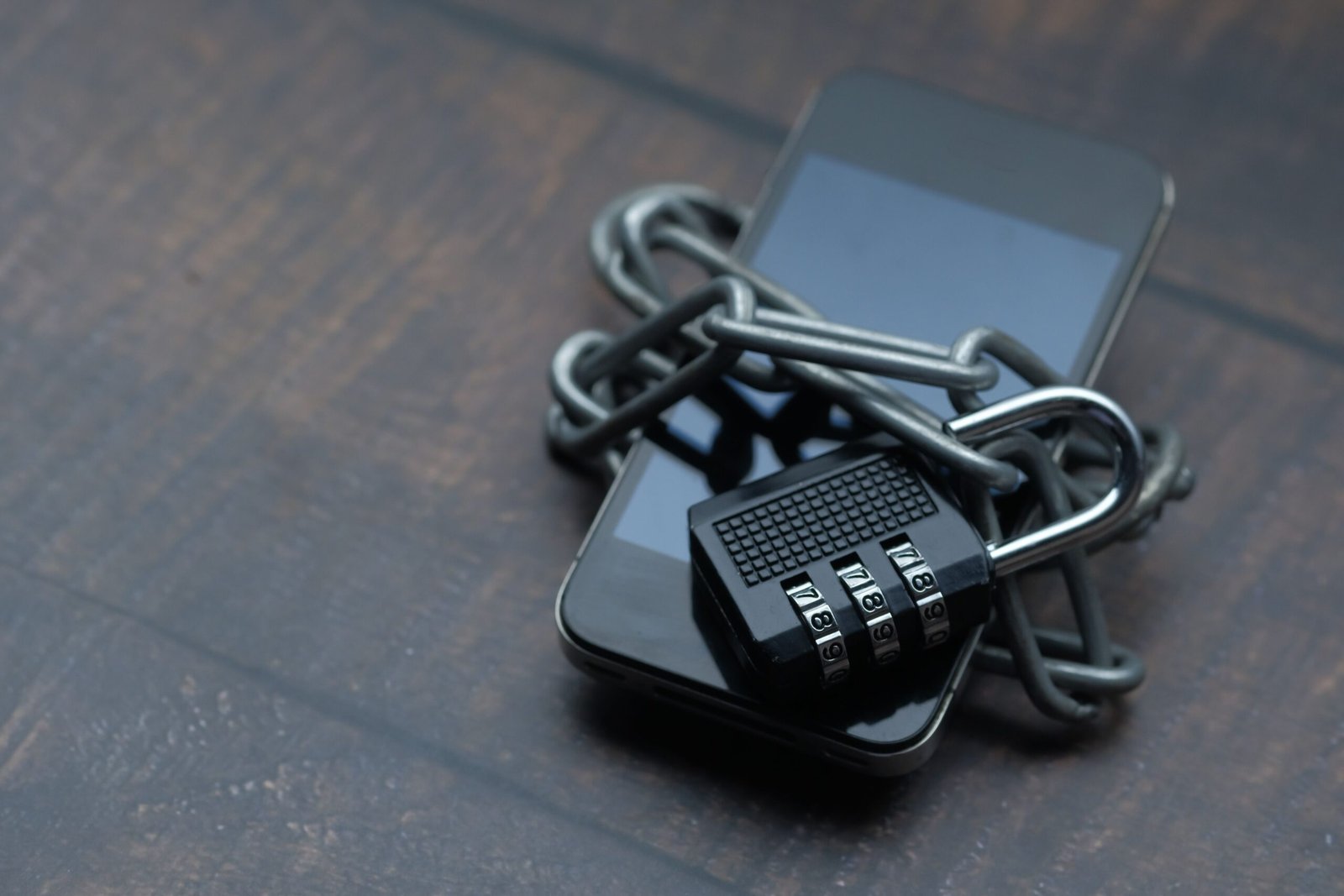
Complete Guide to Online Privacy and Digital Security
Meta Title: Complete Guide to Online Privacy and Digital Security in 2026
Meta Description: Learn how to protect your privacy, accounts, devices, personal data, and digital identity with this complete guide to online privacy and digital security.
Suggested URL: /complete-guide-online-privacy-digital-security/
Primary Keyword: online privacy and digital security
Secondary Keywords: online privacy, digital security, internet privacy, protect personal data online, cybersecurity tips, online security, data privacy, digital privacy, personal cybersecurity, online safety
Introduction
The internet has become part of almost every area of modern life.
We use connected devices to communicate with family and friends, manage finances, shop online, work remotely, store photographs, access healthcare services, manage businesses, and maintain social relationships.
That convenience comes with a trade-off: more of our personal information exists in digital systems than ever before.
Your name, email address, phone number, location, financial information, photographs, browsing activity, passwords, messages, and professional information may all be stored or processed by different companies and services.
At the same time, cybercriminals continue to use phishing, stolen credentials, malware, social engineering, identity theft, and other techniques to target individuals and organizations.
The good news is that improving your digital security does not require becoming a cybersecurity expert.
Simple measures such as using unique passwords, enabling multifactor authentication, keeping software updated, recognizing phishing attempts, reviewing privacy settings, and limiting unnecessary data sharing can substantially improve your security posture. CISA identifies strong passwords, MFA, phishing awareness, and software updates among its core recommendations for staying safer online.
This complete guide to online privacy and digital security explains what you need to know in 2026.
You’ll learn:
- What online privacy means
- What digital security means
- Why privacy and security are different
- How personal data is collected
- How to secure your online accounts
- How to create stronger passwords
- Why password managers matter
- How MFA protects accounts
- How to identify phishing
- How to secure smartphones and computers
- How to protect your Wi-Fi network
- How to browse more privately
- How to manage cookies and tracking
- How to protect your social media accounts
- How to reduce identity-theft risks
- How businesses can improve digital security
- How to create a practical online-security checklist
What Is Online Privacy?
Online privacy refers to your ability to control how your personal information is collected, used, shared, stored, and disclosed when you use digital services.
Personal information can include:
- Your name
- Email address
- Phone number
- Home address
- Date of birth
- Location information
- Financial information
- Account credentials
- Photos
- Search history
- Browsing activity
- Purchase history
- Device information
- IP address
- Professional information
Online privacy is therefore about more than hiding your browsing history.
It involves understanding what information is being collected about you, why it is collected, who can access it, and how long it may be retained.
The NIST Privacy Framework provides organizations with a structured approach to identifying and managing privacy risks while protecting individuals’ privacy.
What Is Digital Security?
Digital security is the broader practice of protecting your devices, accounts, networks, applications, and digital information from unauthorized access, theft, manipulation, disruption, or destruction.
Digital security includes:
- Password security
- Multifactor authentication
- Device security
- Network security
- Data protection
- Malware protection
- Software updates
- Phishing prevention
- Account recovery
- Backup strategies
- Identity protection
You can think of the difference this way:
Privacy asks:
“What happens to my information?”
Security asks:
“How do I protect my information and systems?”
They overlap heavily, but they are not exactly the same thing.
Online Privacy vs Digital Security
Privacy and security are closely connected.
Imagine that you use an online banking service.
Security protects your banking account against:
- Password theft
- Unauthorized logins
- Malware
- Account takeover
Privacy concerns include:
- What financial information the service collects
- How transaction data is processed
- Who can access your information
- What information is shared with third parties
- How long information is retained
You need both.
Excellent security with poor privacy practices can still expose unnecessary personal information.
Likewise, strong privacy preferences cannot fully protect you if your account has a weak password and no MFA.
Why Online Privacy Matters in 2026
People increasingly depend on digital services.
A single person may have accounts for:
- Banking
- Social media
- Online shopping
- Streaming
- Cloud storage
- Work
- Healthcare
- Education
- Government services
- Travel
- Messaging
- Food delivery
- Online marketplaces
Each account creates another opportunity for information exposure.
Cybercriminals may target these accounts to steal:
- Money
- Personal information
- Identity information
- Business data
- Customer records
- Private communications
- Authentication credentials
CISA’s online privacy guidance recommends limiting unnecessary exposure of personal information, enabling MFA, using strong passwords, updating software, and protecting connected devices.
The Most Common Online Privacy Risks
Understanding common risks makes it easier to protect yourself.
1. Data Breaches
A data breach occurs when unauthorized parties gain access to information held by an organization.
A breach might expose:
- Names
- Email addresses
- Password hashes
- Phone numbers
- Addresses
- Financial information
- Customer records
You cannot completely prevent companies from being breached.
But you can reduce the damage by using:
- Unique passwords
- MFA
- Minimal data sharing
- Separate email addresses
- Credit or identity monitoring where appropriate
2. Phishing
Phishing is one of the most common ways attackers try to steal credentials and personal information.
An attacker may send a message pretending to be:
- Your bank
- Your employer
- A delivery company
- A government agency
- A social network
- A colleague
- A friend
The message may ask you to:
- Click a link
- Open an attachment
- Confirm your password
- Verify your identity
- Pay an invoice
- Download software
NIST explains that phishing can trick users into entering credentials on fraudulent websites that look legitimate.
3. Weak or Reused Passwords
Using the same password across multiple accounts creates a major risk.
Suppose you use one password for:
- Shopping
- Social media
- Cloud storage
If one service experiences a credential breach, attackers may attempt the same username and password on other websites.
This is known as credential stuffing.
NIST recommends password managers because they make it practical to generate and maintain long, unique passwords for different accounts.
For more information, read our guide to Best Password Managers for Online Security in 2026.
4. Malicious Software
Malware includes software designed to harm systems, steal information, spy on users, or provide unauthorized access.
Examples include:
- Viruses
- Trojans
- Spyware
- Ransomware
- Keyloggers
- Infostealers
Malware can arrive through:
- Email attachments
- Fake software
- Malicious websites
- Pirated applications
- Infected documents
- Compromised browser extensions
Keeping software updated is one of the simplest ways to reduce exposure to known vulnerabilities. CISA recommends installing software updates because security fixes can address weaknesses that attackers could otherwise exploit.
5. Social Engineering
Social engineering attacks manipulate people rather than directly attacking technology.
An attacker might pretend to be:
- An IT employee
- A manager
- A bank representative
- A customer
- A friend
- A government official
The objective is to convince you to reveal information or perform an action.
For example:
“Your account has been compromised. Give me the verification code you just received.”
That may sound convincing, but legitimate support personnel generally should not need you to disclose authentication codes.
6. Oversharing on Social Media
Social media can reveal more information than you realize.
Public posts may expose:
- Your location
- Your workplace
- Your family members
- Your birthday
- Your travel plans
- Your home
- Your daily routine
- Your pets
- Your school
- Your interests
Attackers can use this information to make phishing messages more convincing.
Review your social-media privacy settings regularly.
7. Unsecured Public Wi-Fi
Public Wi-Fi can be convenient, but you should be cautious when using unknown networks.
Avoid performing highly sensitive activities on networks you do not trust unless you have appropriate protections in place.
For sensitive accounts, consider using:
- Mobile data
- A trusted network
- A reputable VPN where appropriate
- MFA
Most importantly, don’t assume that a Wi-Fi network is safe simply because it has a familiar name.
How to Protect Your Online Privacy
Privacy protection starts with reducing unnecessary exposure.
1. Share Less Personal Information
Before providing information to an online service, ask:
Does this service actually need this information?
If not, consider leaving optional fields blank.
Avoid publicly posting:
- Home address
- Personal phone number
- Travel plans
- Identification documents
- Financial details
- Sensitive family information
2. Review Privacy Policies
You don’t have to read every privacy policy word for word.
Instead, look for information about:
- Data collection
- Data sharing
- Advertising
- Third-party services
- Data retention
- Account deletion
- Location tracking
- Data requests
Pay particular attention to information you consider sensitive.
3. Check App Permissions
Your smartphone applications may request access to:
- Camera
- Microphone
- Contacts
- Location
- Photos
- Files
- Bluetooth
Don’t automatically grant every permission.
Ask whether the feature actually requires access.
For example, a calculator app probably doesn’t need access to your contacts.
4. Disable Unnecessary Location Access
Location data can be extremely revealing.
Depending on your device, you may be able to configure location access as:
- Never
- Ask next time
- While using the app
- Always
Use the most restrictive setting that still allows the application to work properly.
5. Review Connected Accounts
Many websites allow you to sign in using another account.
For example:
Sign in with Google
or:
Sign in with Apple
Review the third-party applications connected to your accounts.
Remove access from services you no longer use.
6. Delete Unused Accounts
Old accounts can become security liabilities.
If you no longer use a service, consider:
- Downloading information you want to keep
- Deleting payment information where appropriate
- Removing unnecessary personal data
- Closing the account
Reducing your digital footprint can reduce your long-term exposure.
How to Secure Your Online Accounts
Your accounts are the gateway to much of your digital life.
Start with your most important accounts.
Priority Accounts
Secure these first:
- Primary email
- Password manager
- Banking
- Financial services
- Cloud storage
- Work accounts
- Social media
- Shopping accounts
Your email account deserves particular attention because it can often be used to reset other passwords.
Use Unique Passwords
Every important account should have its own password.
Don’t use:
Password123!
for one account and:
Password123!1
for another.
These variations are still predictable.
Instead, use randomly generated credentials.
CISA recommends long, random, unique passwords and recommends password managers as a practical way to manage them.
Use a Password Manager
A password manager can:
- Generate passwords
- Store passwords
- Autofill login information
- Synchronize credentials
- Store secure notes
- Support passkeys
- Help identify weak passwords
The biggest benefit is that you no longer need to memorize dozens of unique passwords.
Read our detailed guide to Best Password Managers for Online Security in 2026 for a comparison of leading options.
Enable Multifactor Authentication
Multifactor authentication adds another layer of account protection.
Instead of logging in with only:
Username + Password
you may also need:
Authenticator code
or:
Security key
or:
Biometric authentication
CISA recommends enabling MFA on accounts whenever it is available.
Which MFA Method Is Best?
Not all MFA methods provide exactly the same protection.
CISA recommends phishing-resistant authentication where possible, including security keys based on FIDO/WebAuthn.
A simplified hierarchy is:
Strongest
Security keys / phishing-resistant authentication
Strong
Authenticator applications
Useful
Number-matching push authentication
Weaker
SMS or email codes
If an account only supports SMS authentication, enabling it can still provide an additional layer compared with using a password alone.
What Are Passkeys?
Passkeys are an increasingly important alternative to traditional passwords.
Instead of memorizing a password, your device can use a cryptographic credential to authenticate you.
You may confirm your identity with:
- Fingerprint
- Face recognition
- Device PIN
- Screen lock
NIST explains that passkeys can reduce reliance on passwords and are designed to resist common phishing attacks.
As passkey adoption grows, users should consider enabling passkeys on important accounts when offered.
How to Protect Your Email Account
Your email account deserves special attention.
If an attacker gains control of your email, they may be able to reset passwords for other services.
Secure your email with:
- A unique password
- MFA
- Recovery information
- Security alerts
- Updated recovery email or phone
- Regular account-activity reviews
Check your email provider’s security dashboard regularly.
How to Protect Your Banking Accounts
Financial accounts require additional caution.
Use:
- Unique credentials
- MFA
- Banking-app security features
- Transaction alerts
- Device lock
- Updated operating systems
Turn on notifications for:
- Transfers
- Purchases
- Login attempts
- Password changes
- New devices
If you see suspicious activity, contact your financial institution through an official channel.
How to Protect Your Social Media Accounts
Social media accounts can contain significant amounts of personal information.
Secure them by:
- Using unique passwords
- Enabling MFA
- Reviewing active sessions
- Removing unknown devices
- Limiting public information
- Reviewing connected applications
- Avoiding suspicious links
Also consider whether every post needs to be publicly visible.
How to Protect Your Smartphone
Your smartphone may contain:
- Photos
- Banking applications
- Messages
- Contacts
- Authentication codes
- Password-manager access
- Location information
That makes it a high-value device.
Use a Strong Screen Lock
Use:
- A strong PIN
- Password
- Biometric authentication
Avoid simple PINs that others can easily guess.
Enable Device Encryption
Modern smartphones generally provide encryption features.
Keep your operating system updated so you receive current security protections.
Install Apps From Trusted Sources
Avoid downloading applications from unknown websites unless you understand exactly what you’re installing.
Review:
- Developer name
- Permissions
- Reviews
- Update history
- App-store listing
Remove Unused Apps
Old applications may continue to have access to information.
Delete applications you no longer need.
How to Protect Your Computer
Whether you use Windows, macOS, or Linux, basic security practices matter.
Keep the Operating System Updated
Install security updates promptly.
Use Screen Lock
Your computer should lock automatically when you step away.
Use Device Encryption
Where supported, enable full-device encryption.
Use Security Software
Modern operating systems include built-in security protections.
For additional protection, businesses and high-risk users may need specialized endpoint-security solutions.
See Best Cybersecurity Software for Home and Business Users for more information.
Protect Your Home Wi-Fi Network
Your home router connects many devices to the internet.
These may include:
- Computers
- Smartphones
- TVs
- Cameras
- Smart speakers
- Gaming consoles
- Printers
- IoT devices
Secure your router by:
- Changing the default administrator password
- Using modern Wi-Fi encryption
- Updating router firmware
- Disabling unnecessary remote administration
- Creating a guest network for visitors
- Reviewing connected devices
If your router supports WPA3, consider using it when compatible with your devices.
Secure Smart Home Devices
Smart devices can collect information about:
- Your location
- Your routines
- Your voice
- Your home
- Your family
- Your habits
Before buying a connected device, consider:
- Does it receive security updates?
- How long will the manufacturer support it?
- What information does it collect?
- Can you disable unnecessary features?
- Does it require an account?
- Can you delete your data?
Cheap hardware can become expensive from a privacy perspective if the manufacturer provides poor security support.
How to Browse the Internet More Privately
Private browsing requires more than opening an incognito window.
Browser private modes generally help prevent certain information from being retained locally after a session, but they do not make you anonymous online.
Your internet provider, websites, network administrators, and other parties may still be able to observe activity depending on the circumstances.
For stronger privacy:
- Use privacy-conscious browser settings
- Block unnecessary trackers
- Limit third-party cookies
- Review permissions
- Use secure connections
- Keep your browser updated
What Are Cookies?
Cookies are small pieces of information stored by websites in your browser.
They can be used for legitimate purposes such as:
- Keeping you signed in
- Remembering preferences
- Maintaining shopping carts
They can also be used for tracking and advertising.
Not all cookies are inherently bad.
The important question is:
What information is being collected and how is it being used?
First-Party vs Third-Party Tracking
First-party tracking occurs when the website you’re visiting collects information about your interaction with its own service.
Third-party tracking involves another company collecting or receiving information through the website.
Modern browsers have introduced increasingly sophisticated restrictions on third-party tracking, but privacy settings still deserve attention.
Should You Use a VPN?
A VPN can encrypt traffic between your device and the VPN server.
It can be useful when:
- Using untrusted networks
- Connecting while traveling
- Accessing work resources
- Reducing exposure to the local network
However, a VPN is not a magic privacy tool.
A VPN provider can potentially see information about your connection, so choosing a reputable provider matters.
A VPN also doesn’t automatically protect you from:
- Phishing
- Malware
- Weak passwords
- Account takeover
- Social engineering
Think of a VPN as one layer of security, not a complete privacy solution.
How to Identify a Phishing Email
Before clicking a link, look for warning signs.
Suspicious Sender
Check the actual sender address.
Attackers may use addresses that resemble legitimate companies.
Urgency
Be suspicious of messages saying:
- “Act immediately”
- “Your account will be deleted”
- “Payment required today”
- “Security breach detected”
Unexpected Attachments
Don’t open unexpected attachments simply because the message appears urgent.
Suspicious Links
Hover over links when possible.
Look at the actual destination.
Requests for Credentials
Be cautious when a message asks you to enter:
- Passwords
- MFA codes
- Banking details
- Recovery codes
NIST identifies phishing as a major way attackers obtain passwords by convincing users to submit credentials to fraudulent sites.
How to Verify a Suspicious Message
If you receive a suspicious message from a bank, employer, delivery company, or other service:
Don’t use the link in the message.
Instead:
- Open the official website yourself.
- Use the official application.
- Contact the company through a verified phone number.
- Ask the sender through a separate communication channel.
This breaks the attacker’s chain of deception.
Protect Yourself From Identity Theft
Identity theft occurs when someone uses your personal information without authorization.
Potential warning signs include:
- Unknown account activity
- Unexpected financial transactions
- Password-reset notifications
- New accounts you didn’t create
- Unfamiliar login alerts
- Unexpected bills
- Government or financial correspondence you don’t recognize
If you suspect identity theft, act quickly.
Secure your accounts first, then contact the relevant financial institution or service provider using official contact information.
What Personal Information Should You Keep Private?
Treat the following information as sensitive:
- Passwords
- MFA codes
- Recovery codes
- Banking information
- Credit-card information
- Government identification numbers
- Passport details
- Private medical information
- Home address
- Exact location
- Security questions and answers
Never send sensitive information simply because someone asks for it.
Verify who is requesting the information and why they need it.
Be Careful With Security Questions
Security questions can create privacy problems.
Questions such as:
- What is your mother’s maiden name?
- What was your first pet?
- What city were you born in?
may have answers that can be discovered through social media or public records.
Where a service allows it, use strong authentication methods rather than relying heavily on predictable security questions.
How to Protect Your Photos and Documents
Your cloud storage may contain highly personal information.
Secure it with:
- Strong unique credentials
- MFA
- Device encryption
- Sharing controls
- Regular account reviews
Review shared folders periodically.
You may have accidentally given access to old files that you no longer intend to share.
Back Up Important Data
Privacy and security aren’t only about preventing theft.
They are also about maintaining access to your information.
A hardware failure, ransomware incident, lost phone, or accidental deletion can destroy important files.
Back up:
- Photos
- Documents
- Work files
- Financial records
- Important messages
For particularly important information, consider maintaining more than one backup.
The 3-2-1 Backup Strategy
A commonly used backup principle is:
3 copies of important data
2 different types of storage
1 copy stored separately
For example:
- Original computer
- External backup
- Separate cloud backup
The exact implementation can vary depending on your needs.
Digital Security for Small Businesses
Businesses face many of the same threats as individuals, but the consequences can be much larger.
A compromised business account can expose:
- Customer data
- Employee records
- Financial information
- Intellectual property
- Contracts
- Internal communications
CISA recommends that businesses require MFA, particularly for email, remote access, administrative accounts, and systems containing sensitive information.
Create a Business Security Policy
A basic policy should cover:
- Password management
- MFA
- Device security
- Software updates
- Remote work
- Data handling
- Phishing
- Incident reporting
- Employee access
- Offboarding
Employees should know exactly what to do when something goes wrong.
Use a Business Password Manager
Employees should not share credentials through:
- Messaging apps
- Spreadsheets
- Plain-text documents
A business password manager can provide:
- Shared credentials
- Permission controls
- User management
- Access revocation
- Administrative oversight
For related guidance, see Best Password Managers for Online Security in 2026.
Protect Business Email
Business email is a major target because it can provide access to:
- Customer information
- Financial systems
- Cloud storage
- Internal documents
- Password resets
Require MFA and train employees to recognize phishing.
CISA recommends phishing-resistant MFA for stronger protection against account compromise.
Secure Remote Workers
Remote workers should receive clear guidance about:
- Home Wi-Fi
- Device security
- VPN requirements
- MFA
- Phishing
- File sharing
- Personal devices
- Public networks
Don’t assume employees automatically understand cybersecurity.
Security training should be practical and ongoing.
Control Employee Access
Employees should only have access to the information they need.
This principle is often described as least privilege.
For example:
A marketing employee may need access to marketing files but not payroll records.
When someone changes roles, review their access.
When an employee leaves, revoke access promptly.
Protect Customer Data
Businesses should collect only the customer information they genuinely need.
Protect sensitive data with:
- Access controls
- Encryption
- Secure storage
- MFA
- Backups
- Monitoring
- Employee training
Privacy should be treated as part of business operations rather than an afterthought.
Online Privacy for Freelancers
Freelancers often operate without a dedicated IT department.
That makes basic security even more important.
Freelancers should secure:
- Client portals
- Accounting software
- Invoicing platforms
- Cloud storage
- Project-management tools
- Social media
- Payment services
For financial workflows, also consider Best Invoicing Software for Freelancers and Small Businesses.
Protect Your Digital Reputation
Your digital footprint can affect:
- Employment
- Business opportunities
- Professional relationships
- Personal relationships
Search for your own name periodically.
Review:
- Public social profiles
- Old posts
- Public photographs
- Data-broker listings
- Old accounts
Remove information that you no longer want publicly available where possible.
What Is a Digital Footprint?
A digital footprint is the collection of information associated with your online activities.
It may include:
- Social-media posts
- Comments
- Photos
- Search activity
- Purchases
- Account registrations
- Website interactions
- Location information
Some parts are actively created by you.
Others are generated automatically by the services and devices you use.
How to Reduce Your Digital Footprint
You can’t eliminate your digital footprint completely.
But you can reduce it.
Audit Your Accounts
Find old accounts and close unnecessary ones.
Limit Public Information
Review what strangers can see.
Reduce App Permissions
Remove unnecessary permissions.
Limit Tracking
Review browser and application privacy settings.
Avoid Oversharing
Think before posting personal details.
Data Brokers and Personal Information
Data brokers collect and aggregate information from various sources.
The information may be used for:
- Advertising
- Marketing
- Analytics
- Identity verification
- Risk assessment
Depending on your jurisdiction, you may have rights related to accessing, correcting, or deleting certain personal information.
Check the privacy laws that apply where you live and the policies of the services you use.
How to Protect Yourself From Scams
Scammers increasingly use realistic messages, social engineering, and impersonation.
Common scams include:
- Fake investment offers
- Delivery scams
- Job scams
- Technical-support scams
- Romance scams
- Account-verification scams
- Government impersonation
- Invoice fraud
The best defense is skepticism.
If an offer sounds unusually good or a message creates extreme urgency, stop and verify it independently.
Artificial Intelligence and Online Privacy
AI services create new privacy questions.
People increasingly use AI tools to process:
- Business documents
- Emails
- Customer information
- Personal notes
- Images
- Contracts
- Financial information
Before uploading sensitive information to an AI service, understand:
- What data the service collects
- How data may be stored
- Whether content is used for model improvement
- Who can access the information
- Whether business controls are available
- How deletion works
For businesses, establish an AI-use policy before employees begin uploading confidential information.
For more information, see Best AI Tools for Business Productivity in 2026.
Privacy and AI-Generated Scams
AI can also make scams more convincing.
Attackers may use AI to create:
- More convincing emails
- Personalized phishing messages
- Fake profiles
- Voice impersonation
- Manipulated images
- Fake documents
This makes verification increasingly important.
If someone requests money, credentials, confidential information, or urgent action, verify the request through another channel.
Protect Children Online
Children may not understand the long-term consequences of sharing information online.
Parents and guardians can teach children to:
- Avoid sharing personal addresses
- Use strong passwords
- Enable parental controls where appropriate
- Recognize suspicious messages
- Avoid meeting online contacts in person without appropriate safeguards
- Ask an adult before downloading unknown applications
- Report bullying or suspicious behavior
Privacy education should begin early.
Online Privacy While Shopping
When shopping online:
- Use reputable websites
- Check the website address
- Avoid suspicious offers
- Use secure payment methods
- Don’t save payment information everywhere unnecessarily
- Enable transaction alerts
- Watch for fake shopping websites
Be particularly cautious about deals that are dramatically cheaper than normal.
Online Privacy While Traveling
Travel introduces additional risks.
Before traveling:
- Update devices
- Enable MFA
- Back up important files
- Install necessary security updates
- Review account recovery methods
While traveling:
- Avoid unknown USB devices
- Be cautious with public Wi-Fi
- Lock your devices
- Don’t leave devices unattended
- Avoid sharing unnecessary location information
What to Do If Your Account Is Hacked
If you believe an account has been compromised, act quickly.
Step 1: Change the Password
Use a new, unique password.
Step 2: Enable MFA
If it isn’t already enabled.
Step 3: Sign Out Other Sessions
Look for an option such as:
Sign out of all devices
Step 4: Review Account Activity
Check:
- Login history
- Security settings
- Recovery information
- Connected applications
Step 5: Check Other Accounts
If you reused the compromised password anywhere else, change those passwords immediately.
Step 6: Contact the Provider
Use official support channels if unauthorized activity continues.
What to Do After a Data Breach
If a company you use suffers a breach:
- Determine what information was exposed.
- Change the affected password.
- Change any reused passwords.
- Enable MFA.
- Monitor the account.
- Be alert for phishing messages.
- Follow legitimate instructions from the affected company.
Do not assume that a breach notification is the end of the risk.
Attackers may use exposed information in follow-up phishing campaigns.
Online Privacy Checklist
Use this checklist to improve your security.
Accounts
- Use unique passwords
- Use a password manager
- Enable MFA
- Review active sessions
- Delete unused accounts
Devices
- Install security updates
- Use screen locks
- Enable device encryption
- Remove unused applications
- Install software from trusted sources
Privacy
- Review app permissions
- Limit location sharing
- Review social-media visibility
- Reduce unnecessary data sharing
- Review connected applications
- Enable MFA
- Use a unique password
- Review recovery settings
- Watch for phishing
Network
- Secure your Wi-Fi
- Update your router
- Use strong Wi-Fi encryption
- Create a guest network where appropriate
Data
- Back up important files
- Secure cloud storage
- Review shared folders
- Delete unnecessary sensitive files
30-Minute Digital Security Makeover
You don’t have to secure everything in one day.
If you only have 30 minutes, prioritize these steps.
Minutes 1–5: Secure Your Email
Create a unique password and enable MFA.
Minutes 6–10: Secure Your Password Manager
Use a strong master credential and MFA.
Minutes 11–15: Secure Banking
Enable MFA and transaction notifications.
Minutes 16–20: Update Your Devices
Install pending operating-system and browser updates.
Minutes 21–25: Review Social Media
Remove unnecessary public personal information.
Minutes 26–30: Check Account Sessions
Sign out unknown devices and revoke suspicious third-party access.
These simple steps can create a much stronger foundation.
The 10 Most Important Digital Security Rules
If you remember nothing else from this guide, remember these rules:
1. Use Unique Passwords
Never reuse important passwords.
2. Use a Password Manager
Let software generate and remember strong credentials.
3. Enable MFA
Use MFA wherever available.
4. Prefer Phishing-Resistant Authentication
Use passkeys or security keys when supported.
5. Keep Software Updated
Don’t postpone security updates.
6. Be Suspicious of Unexpected Messages
Verify before clicking.
7. Share Less Personal Information
Not every service needs every detail.
8. Secure Your Devices
Use strong locks and encryption.
9. Back Up Important Data
Prepare for loss, theft, hardware failure, and ransomware.
10. Review Your Digital Footprint
Regularly check what information about you is publicly available.
CISA’s basic online-security guidance centers on many of these same practices: recognize phishing, use strong passwords, enable MFA, and update software.
Frequently Asked Questions
What is online privacy?
Online privacy is the ability to control how your personal information is collected, used, shared, stored, and disclosed when you use digital services.
What is digital security?
Digital security involves protecting accounts, devices, networks, applications, and digital information from unauthorized access, theft, manipulation, or disruption.
What is the difference between privacy and security?
Privacy focuses on how information is collected and used, while security focuses on protecting information and systems from unauthorized access or harm.
How can I protect my personal data online?
Use unique passwords, a password manager, MFA, updated software, secure devices, careful privacy settings, and good phishing awareness. CISA recommends MFA, strong passwords, software updates, and phishing awareness as fundamental security practices.
What is the best way to protect online accounts?
Start with unique passwords and MFA. For password-based accounts, use a reputable password manager to generate and store unique credentials. NIST specifically recommends password managers as a practical way to manage strong passwords.
Is a VPN enough to protect my privacy?
No. A VPN can protect certain network traffic, but it does not protect you from phishing, malware, weak passwords, account takeover, or social engineering.
Should I use a password manager?
Yes, a reputable password manager can make it easier to use long, unique passwords for different accounts. CISA and NIST both recommend password managers as part of good password-security practices.
Is MFA worth using?
Yes. MFA adds another authentication layer and can prevent unauthorized access even when a password has been compromised. CISA strongly recommends enabling MFA, particularly stronger phishing-resistant methods where available.
Are passkeys safer than passwords?
Passkeys are designed to provide a more phishing-resistant authentication method than traditional passwords. They also eliminate the need to memorize a password for supported accounts.
How often should I review my privacy settings?
A practical approach is to review them every few months and whenever an app, device, browser, or major online service changes its privacy controls.
How do I know if an email is phishing?
Look for unexpected requests, urgency, suspicious links, unusual attachments, unfamiliar sender addresses, and requests for passwords or authentication codes. When uncertain, contact the organization through an official channel rather than using links in the message.
Should I share my location online?
Only when necessary. Location information can reveal where you live, work, travel, or spend time. Review location permissions and social-media settings regularly.
How can I reduce my digital footprint?
Delete unused accounts, limit public information, review app permissions, reduce unnecessary data sharing, and regularly search for information about yourself online.
What should I do if my password is exposed?
Change it immediately, use a unique replacement, enable MFA, and change the same password anywhere else it was reused.
How can businesses improve digital security?
Businesses should prioritize MFA, password management, software updates, phishing training, access controls, backups, device security, and an incident-response plan. CISA specifically recommends MFA across business systems and prioritizes phishing-resistant authentication where possible.
Final Thoughts
Online privacy and digital security are no longer optional technical concerns.
They are part of everyday life.
Every time you create an account, install an application, connect a device, make a purchase, or share information online, you make decisions that affect your digital security and privacy.
The goal isn’t to become invisible on the internet.
That isn’t realistic.
The goal is to reduce unnecessary exposure, protect your most important accounts, and make it harder for criminals to access your information.
Start with the basics:
Use unique passwords.
Use a password manager.
Enable MFA.
Prefer passkeys or phishing-resistant authentication where available.
Keep software updated.
Be skeptical of unexpected messages.
Limit unnecessary personal information.
Secure your devices and Wi-Fi network.
Back up important information.
Review your digital footprint regularly.
These steps don’t eliminate every risk, but they create multiple layers of protection.
As our digital lives continue to expand, good privacy and security habits will become increasingly important—not only for protecting money and accounts, but also for protecting identity, reputation, relationships, work, and personal information.
The best time to improve your digital security is before something goes wrong.
Start today with the accounts and devices that matter most.
SEO Optimization and Publishing Strategy
Primary Keyword
online privacy and digital security
Secondary Keywords
- online privacy
- digital security
- internet privacy
- online security
- digital privacy
- personal cybersecurity
- protect personal data online
- cybersecurity tips
- data privacy
- online safety
- internet security
- privacy protection
Long-Tail Keywords
- complete guide to online privacy
- complete guide to digital security
- how to protect your privacy online
- how to protect personal data online
- how to improve digital security
- best ways to protect personal information online
- online privacy tips for 2026
- digital security tips for individuals
- how to stay safe online
- how to protect your online identity
Suggested Internal Links
Build a cybersecurity content cluster by linking this article to:
- Best Password Managers for Online Security in 2026
- Best Cybersecurity Software for Home and Business Users
- How to Protect Your Personal Data Online in 2026
- Best AI Tools for Business Productivity in 2026
- Top AI Productivity Tools Every Professional Should Know
- Best AI Writing Tools for Businesses in 2026
- How AI Tools Are Changing Small Business Productivity
- Best Invoicing Software for Freelancers and Small Businesses
- Best Payroll Software for Small Businesses in 2026
This creates a strong internal-link structure around cybersecurity, privacy, business technology, AI, and productivity.
Recommended External Links
For authoritative references, link naturally to:
- NIST Privacy Framework
- NIST: How Do I Create a Good Password?
- CISA Secure Our World
- CISA MFA Guidance
These sources provide authoritative support for claims concerning privacy risk, passwords, MFA, phishing, software updates, and account security.
Suggested FAQ Schema
Consider adding FAQ structured data where eligible and supported by your site’s SEO strategy:
- What is online privacy?
- What is digital security?
- What is the difference between privacy and security?
- How can I protect my personal data online?
- What is the best way to protect online accounts?
- Is a VPN enough to protect my privacy?
- Should I use a password manager?
- Is MFA worth using?
- Are passkeys safer than passwords?
- How can I reduce my digital footprint?
- What should I do if my password is exposed?
- How can businesses improve digital security?
Suggested Featured Snippet
How can I protect my personal data online?
The most effective steps include using unique passwords with a password manager, enabling multifactor authentication, keeping devices and software updated, avoiding phishing messages, limiting unnecessary personal-data sharing, reviewing app permissions, securing home Wi-Fi, and backing up important files. CISA and NIST recommend many of these practices as foundational components of online security.
Suggested Image Alt Text
Complete guide to online privacy and digital security in 2026
Recommended Article Length
For a competitive pillar page, this article can be expanded or condensed depending on the site’s publishing strategy. The strongest approach is to prioritize comprehensive topical coverage, helpful explanations, original insights, accurate references, and natural keyword usage rather than attempting to reach a specific word count solely for SEO.
E-E-A-T Recommendation
For stronger trust signals, add:
- Author name and cybersecurity/technology credentials
- Editorial review date
- Sources and references
- Links to authoritative cybersecurity organizations
- Clear disclosure when products are affiliate recommendations
- A methodology explaining how security products are evaluated
- Regular updates as privacy regulations, authentication standards, and cybersecurity threats evolve
Avoid making absolute claims such as “100% secure,” “completely anonymous,” or “impossible to hack.” Good digital-security content should explain limitations as well as protections.