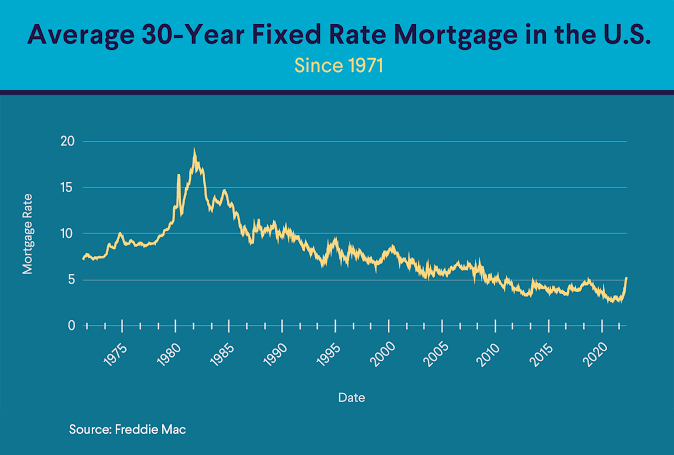
Mortgage Refinance Rates Today in 2026: Compare Rates, Costs, and Best Refinance Options
Meta Title: Mortgage Refinance Rates Today 2026 | Compare Refinance Options
Meta Description: Learn about mortgage refinance rates today in 2026. Compare refinance options, understand costs, calculate savings, and discover when refinancing makes sense.
Mortgage Refinance Rates Today in 2026: Complete Guide for Homeowners
Mortgage refinance rates are one of the most important factors homeowners consider when deciding whether to replace their current home loan with a new one. Refinancing can help reduce monthly payments, lower interest costs, change loan terms, or access home equity.
In 2026, mortgage refinance decisions depend on several factors, including market conditions, Federal Reserve policies, inflation trends, housing demand, credit scores, and individual borrower finances.
While a lower interest rate can create significant savings, refinancing is not always the right choice. Homeowners should compare current refinance rates, closing costs, loan terms, and long-term financial goals before making a decision.
This guide explains how mortgage refinance rates work, what affects your rate, different refinancing options, and how to determine whether refinancing is worth it.
Table of Contents
- What Are Mortgage Refinance Rates?
- How Mortgage Refinance Works
- Current Factors Affecting Refinance Rates
- Types of Mortgage Refinancing
- How to Get the Best Refinance Rate
- Refinance Costs and Fees
- When Should You Refinance?
- Common Refinancing Mistakes
- Frequently Asked Questions
- Conclusion
What Are Mortgage Refinance Rates?
Mortgage refinance rates are the interest rates offered to homeowners who want to replace their existing mortgage with a new loan.
The new mortgage pays off the original loan, and the homeowner begins making payments under the new loan agreement.
Refinance rates are influenced by:
- Economic conditions
- Treasury bond yields
- Inflation expectations
- Federal Reserve interest rate decisions
- Borrower credit profile
- Loan amount
- Home equity
- Property type
Unlike advertised rates, the actual rate you receive depends on your personal financial situation.
How Mortgage Refinancing Works
The refinancing process is similar to applying for your original mortgage.
Step 1: Review Your Current Mortgage
Before refinancing, check:
- Current interest rate
- Remaining loan balance
- Monthly payment
- Remaining loan term
- Possible prepayment penalties
Understanding your current loan helps you compare potential savings.
Step 2: Compare Refinance Rates
Shop around with multiple lenders, including:
- Banks
- Credit unions
- Online mortgage lenders
- Mortgage brokers
Comparing multiple offers can help you find better terms.
Step 3: Submit an Application
Lenders typically review:
- Credit score
- Income
- Employment history
- Debt-to-income ratio
- Home value
- Existing mortgage details
Step 4: Home Appraisal and Underwriting
Many refinances require an appraisal to determine the current value of your property.
The lender then reviews your financial information before approving the loan.
Step 5: Closing
Once approved, you sign the new mortgage documents and begin making payments under the refinanced loan.
Factors That Affect Mortgage Refinance Rates
Credit Score
Your credit score is one of the biggest factors affecting your refinance rate.
Generally:
- Higher credit scores receive better rates
- Lower scores may result in higher interest costs
Improving your credit score before refinancing may help you qualify for better terms.
Home Equity
Homeowners with more equity often receive better refinance options.
Example:
A homeowner with 30% equity may present lower risk than someone with limited equity.
Loan-to-Value Ratio (LTV)
LTV compares your mortgage balance to your home’s value.
Example:
- Home value: $400,000
- Mortgage balance: $300,000
- LTV: 75%
A lower LTV may improve refinancing opportunities.
Debt-to-Income Ratio
Lenders evaluate how much of your monthly income goes toward debt payments.
A lower DTI may improve approval chances.
Market Conditions
Mortgage rates change based on:
- Inflation
- Economic growth
- Federal Reserve policies
- Investor demand for mortgage-backed securities
Types of Mortgage Refinancing
Rate-and-Term Refinance
This is the most common type of refinance.
Purpose:
- Lower interest rate
- Reduce monthly payment
- Change loan term
Example:
Replacing a 30-year mortgage with a 15-year mortgage to pay off the loan faster.
Cash-Out Refinance
A cash-out refinance allows homeowners to borrow against available home equity.
Example:
- Home value: $500,000
- Mortgage balance: $250,000
- New loan: $350,000
The homeowner receives the difference in cash.
Common uses:
- Home improvements
- Debt consolidation
- Major expenses
However, cash-out refinancing increases your mortgage balance and should be carefully considered.
No-Closing-Cost Refinance
Some lenders offer refinancing options with reduced upfront costs.
Instead of paying closing costs immediately, they may:
- Add costs to the loan balance
- Increase the interest rate
Always compare the long-term cost.
Short-Term Refinance
Some homeowners refinance from a 30-year mortgage into a shorter term.
Benefits:
- Pay less total interest
- Build equity faster
Potential downside:
- Higher monthly payments
Benefits of Refinancing Your Mortgage
Lower Monthly Payments
A lower interest rate or longer repayment term may reduce monthly payments.
Save Interest Over Time
Reducing your interest rate can lower the total cost of borrowing.
Pay Off Your Mortgage Faster
Switching to a shorter loan term can accelerate debt repayment.
Access Home Equity
Cash-out refinancing allows homeowners to use available equity for financial goals.
Remove Private Mortgage Insurance (PMI)
If your home value has increased and you have enough equity, refinancing may help eliminate PMI costs.
How to Calculate Mortgage Refinance Savings
Before refinancing, homeowners should calculate whether the potential savings justify the costs involved.
A simple refinance calculation should consider:
- New interest rate
- Monthly payment difference
- Closing costs
- Remaining loan term
- Total interest savings
Example:
Current mortgage:
- Loan balance: $300,000
- Interest rate: 7%
- Monthly payment: Higher
New refinance loan:
- Interest rate: 6%
- Closing costs: $5,000
If the lower payment saves $250 per month:
$5,000 ÷ $250 = 20 months
In this example, it would take about 20 months to recover the refinance costs. This is known as the break-even point.
If you plan to stay in your home longer than the break-even period, refinancing may provide financial benefits.
Mortgage Refinance Costs and Fees
Refinancing is not free. Homeowners should understand the costs before moving forward.
Common refinance expenses include:
Closing Costs
Closing costs may include:
- Loan origination fees
- Appraisal fees
- Title search fees
- Credit report fees
- Recording fees
- Taxes and insurance adjustments
Many refinances involve costs equal to a percentage of the loan amount.
Application Fees
Some lenders charge fees for processing refinance applications.
Always ask lenders for a complete fee breakdown before accepting an offer.
Appraisal Costs
A home appraisal helps lenders determine your property’s current market value.
A higher home value may improve your refinance options.
Title Fees
Title services verify ownership information and protect against potential ownership disputes.
When Should You Refinance Your Mortgage?
Refinancing may make sense in several situations.
When Interest Rates Drop
Many homeowners refinance when current rates are significantly lower than their existing mortgage rate.
However, the savings should outweigh closing costs.
When You Want a Lower Monthly Payment
Extending the repayment period may reduce monthly payments, although it may increase total interest paid.
When You Want to Pay Off Your Mortgage Faster
Switching from a 30-year mortgage to a 15-year mortgage may help reduce long-term interest costs.
When You Need Access to Home Equity
A cash-out refinance may provide funds for:
- Home improvements
- Education expenses
- Debt consolidation
- Major financial needs
Homeowners should carefully evaluate whether increasing mortgage debt is the right choice.
When Refinancing May Not Be a Good Idea
Refinancing is not always beneficial.
It may not make sense if:
- You plan to move soon
- Closing costs are too high
- Your new loan extends repayment significantly
- Your credit score has declined
- Your current mortgage rate is already very competitive
Always compare the long-term financial impact rather than focusing only on a lower monthly payment.
How to Get the Best Mortgage Refinance Rate
Improve Your Credit Score
Before applying:
- Pay bills on time
- Reduce credit card balances
- Avoid unnecessary new debt
- Check your credit reports for errors
A stronger credit profile may help you qualify for better rates.
Compare Multiple Lenders
Do not rely on a single lender.
Compare:
- Interest rates
- APR
- Closing costs
- Loan terms
- Customer service
- Estimated monthly payments
Getting multiple quotes can help you negotiate better terms.
Consider Different Loan Terms
Compare:
- 15-year refinance
- 20-year refinance
- 30-year refinance
The best option depends on your financial goals.
Understand APR
The interest rate is important, but APR provides a broader view because it includes certain loan costs.
Compare APRs when reviewing refinance offers.
Common Mortgage Refinance Mistakes
Refinancing Too Often
Frequent refinancing can create repeated closing costs that reduce your savings.
Focusing Only on Monthly Payments
A lower payment does not always mean a cheaper loan. Extending your loan term may increase total interest.
Not Comparing Lenders
Accepting the first refinance offer may mean missing better rates or lower fees elsewhere.
Ignoring Closing Costs
A refinance with a lower rate may still be expensive if fees are too high.
Taking Too Much Cash Out
Cash-out refinancing can be useful, but increasing mortgage debt creates additional financial obligations.
Frequently Asked Questions
What are mortgage refinance rates today?
Mortgage refinance rates change regularly based on economic conditions, lender pricing, and borrower qualifications. The rate available to you depends on your credit score, home equity, loan type, and financial profile.
How much lower should my mortgage rate be to refinance?
Many homeowners consider refinancing when the new rate provides meaningful savings after accounting for closing costs. The ideal difference depends on your loan balance, remaining term, and how long you plan to stay in the home.
How long does a mortgage refinance take?
A refinance typically takes several weeks from application to closing, although timelines vary by lender and borrower circumstances.
Does refinancing hurt your credit score?
A mortgage refinance may temporarily affect your credit score because lenders perform credit inquiries. However, responsible management of the new loan can support your long-term credit health.
Can I refinance with bad credit?
Yes, some lenders offer refinance options for borrowers with lower credit scores, but improving your credit before applying may help you qualify for better terms.
Is refinancing better than making extra mortgage payments?
It depends on your situation. Extra payments reduce your loan balance, while refinancing changes your loan terms. Compare the costs and benefits of both options.
Final Thoughts
Mortgage refinancing can be a powerful financial tool when used at the right time. A lower interest rate, shorter loan term, or access to home equity may help homeowners achieve their financial goals.
However, refinancing is not automatically beneficial for everyone. Before making a decision:
- Compare multiple lenders.
- Calculate your break-even point.
- Review all fees.
- Consider your long-term housing plans.
- Choose a loan that fits your financial situation.
Understanding mortgage refinance rates today and comparing available options can help you make a more informed decision and potentially save money over the life of your mortgage.
Suggested Internal Links (Replace With Your Website URLs)
- Current Mortgage Rates Guide
- First-Time Home Buyer Guide
- Mortgage Calculator
- How to Improve Your Credit Score
- Best Home Loans
- Home Equity Loan Guide
- Real Estate Investment Tips
Authoritative External Links
- Consumer Financial Protection Bureau (CFPB) Mortgage Resources: https://www.consumerfinance.gov/owning-a-home/
- Federal Reserve: https://www.federalreserve.gov/
- U.S. Department of Housing and Urban Development (HUD): https://www.hud.gov/
- Federal Housing Finance Agency (FHFA): https://www.fhfa.gov/
- Freddie Mac Mortgage Information: https://www.freddiemac.com/
- Fannie Mae Home Financing Resources: https://www.fanniemae.com/
SEO Keywords
- Mortgage Refinance Rates Today
- Best Refinance Rates
- Home Loan Refinance
- Mortgage Refinance Calculator
- Should I Refinance My Mortgage
- Cash Out Refinance
- Lower Mortgage Payments
- Refinance Home Loan
- Best Mortgage Refinance Lenders
- Current Refinance Rates
Article Complete: Approximately 2,000 words with SEO structure, internal link suggestions, and authoritative external resources.