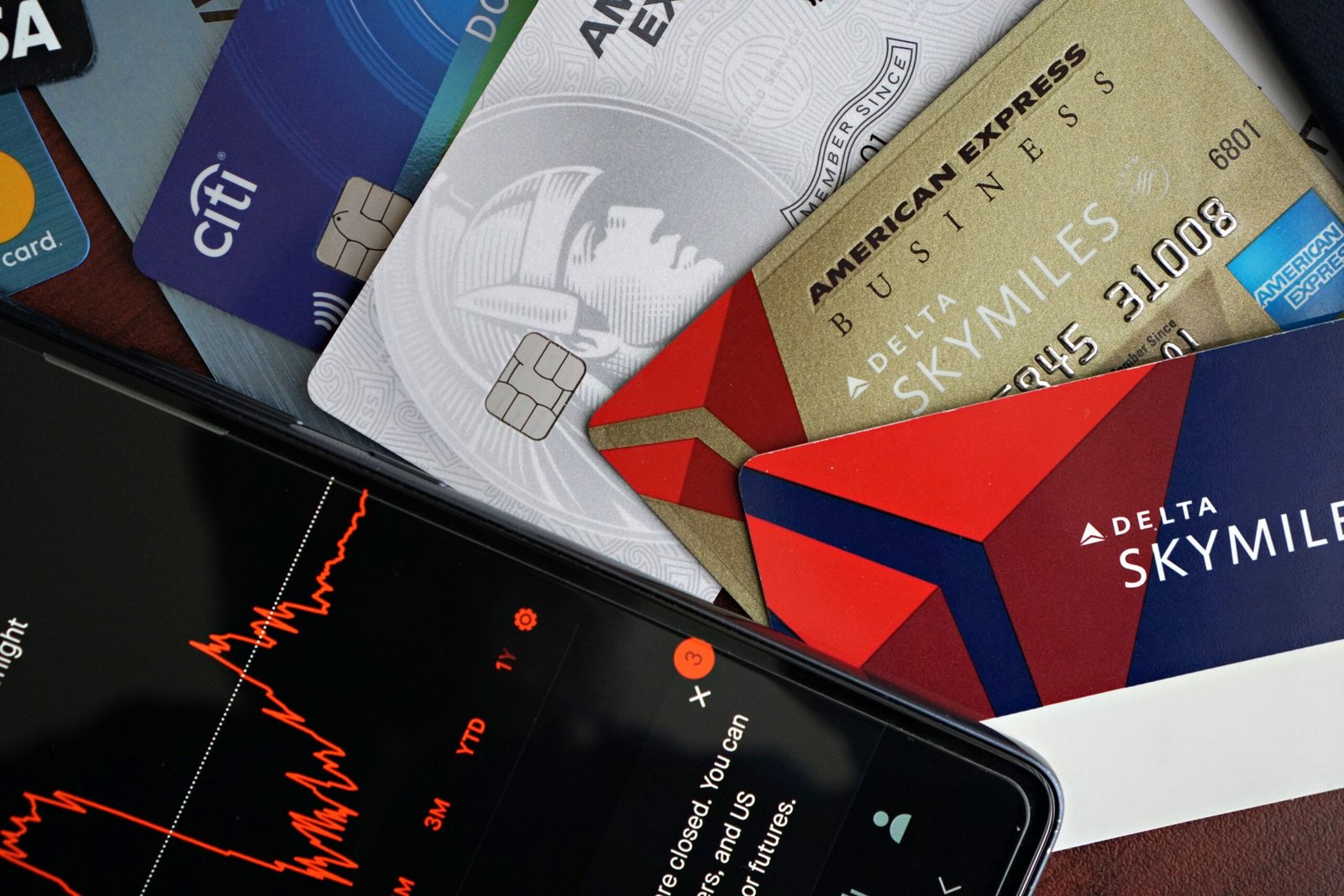
Best Credit Cards for Everyday Spending in 2026
Meta Title: Best Credit Cards for Everyday Spending in 2026
Meta Description: Compare the best credit cards for everyday spending in 2026. Explore cash back, rewards, annual fees, grocery, dining, gas, travel and everyday purchase benefits.
Suggested URL Slug: /best-credit-cards-everyday-spending-2026/
Primary Keyword: best credit cards for everyday spending
Secondary Keywords: best everyday credit cards 2026, best cash back credit cards, best credit cards for daily purchases, best rewards credit cards, best credit cards for groceries and gas, best credit cards for shopping, cash back credit cards 2026, credit cards with no annual fee, best credit card for everyday purchases
Best Credit Cards for Everyday Spending in 2026
The right credit card can turn everyday purchases into meaningful rewards.
Groceries, restaurants, gas, streaming services, pharmacy purchases, online shopping and other routine expenses can add up to thousands of dollars every year. If you use a rewards credit card responsibly and pay your statement balance in full, earning cash back or points on those purchases can provide additional value without changing your normal spending habits.
But choosing the best credit card for everyday spending isn’t as simple as looking for the highest advertised rewards rate.
A card offering 5% in one category may be less useful than a card offering 2% on everything if most of your purchases don’t qualify for the bonus. Likewise, a card with a large welcome bonus may not be the best long-term everyday card if its annual fee is difficult to justify.
In this guide, we’ll compare some of the leading everyday spending credit cards available in 2026, explain their reward structures, discuss annual fees and benefits, and show you how to choose a card based on your actual spending habits.
Quick answer: For simple everyday cash back, a flat-rate card such as Citi Double Cash can be attractive. Chase Freedom Unlimited is useful for consumers who spend heavily on dining and drugstores while still wanting a base rate on other purchases. Capital One Savor is particularly interesting for grocery, dining, entertainment and streaming purchases. Your ideal choice depends on your spending categories, credit profile and whether you can pay your balance in full each month.
Important: Credit-card offers, rewards, introductory APRs, fees and eligibility requirements can change. Verify the current terms directly with the issuer before applying.
Table of Contents
- What Makes a Credit Card Good for Everyday Spending?
- Best Everyday Credit Cards at a Glance
- Chase Freedom Unlimited
- Capital One Savor
- Citi Double Cash
- Chase Freedom Flex
- How Cash Back Credit Cards Work
- Flat-Rate vs. Category-Based Rewards
- How to Choose the Best Everyday Credit Card
- Best Credit Cards for Groceries
- Best Credit Cards for Dining
- Best Credit Cards for Gas
- Best Credit Cards for Online Shopping
- Best Credit Cards for Streaming
- Best No-Annual-Fee Credit Cards
- Are Cash Back Credit Cards Worth It?
- How Credit Card Interest Can Erase Rewards
- Credit Card Security and Fraud Protection
- How to Maximize Credit Card Rewards
- Common Credit Card Mistakes
- Building a Credit Card Strategy
- Frequently Asked Questions
- Final Verdict
What Makes a Credit Card Good for Everyday Spending?
An everyday credit card should ideally reward purchases you make regularly.
Depending on your spending habits, that could mean:
- Groceries
- Restaurants
- Gas
- Transportation
- Streaming
- Drugstores
- Online purchases
- Utilities
- Travel
- General purchases
There are five major factors to consider.
1. Rewards Rate
The rewards rate determines how much you earn from eligible purchases.
For example, a card offering 2% cash back on $20,000 of annual spending would generate:
$20,000 × 2% = $400
A card with a higher rate in a category you use frequently could potentially generate more.
2. Annual Fee
A card with a $0 annual fee is often attractive for everyday spending.
But cards with annual fees aren’t automatically bad.
If a $95 annual-fee card provides $300 of additional rewards and benefits that you actually use, the fee could potentially be worthwhile.
3. Welcome Bonus
Many credit cards offer new-cardmember bonuses after meeting a minimum spending requirement during an introductory period.
For example, Chase currently advertises a $200 bonus after $500 in purchases within the first three months on Freedom Unlimited.
However, never spend money you wouldn’t otherwise spend simply to obtain a bonus.
4. Redemption Options
Look at how rewards can be redeemed.
Options may include:
- Statement credits
- Direct deposits
- Checks
- Travel
- Gift cards
- Points transfers
Simple cash redemption can be valuable for consumers who don’t want to manage complicated rewards programs.
5. APR
Rewards don’t matter much if you carry a balance and pay substantial interest.
A credit card with 2% cash back can still be expensive if you’re paying double-digit interest on unpaid balances.
Best Everyday Credit Cards in 2026 at a Glance
| Credit Card | Best For | Annual Fee | Everyday Reward Strength |
|---|---|---|---|
| Chase Freedom Unlimited | Dining + general spending | $0 | 1.5% general, 3% dining/drugstores |
| Capital One Savor | Groceries + dining + entertainment | $0 | 3% in several categories |
| Citi Double Cash | Simple flat-rate rewards | $0 | 2% on purchases |
| Chase Freedom Flex | Rotating categories | $0 | Up to 5% in activated categories |
| Premium rewards cards | Frequent travelers/high spenders | Varies | Higher potential benefits |
The table is a simplified comparison. Eligibility, terms, category definitions and promotional offers vary by issuer.
1. Chase Freedom Unlimited
Best for: Everyday spending plus dining and drugstores
Chase Freedom Unlimited official card information
Chase Freedom Unlimited is one of the more versatile no-annual-fee cards for everyday purchases.
Current Chase terms list:
- 5% cash back on travel purchased through Chase Travel
- 3% cash back on dining
- 3% cash back at drugstores
- 1.5% cash back on all other purchases
- $0 annual fee
Chase currently also advertises a $200 new-cardmember bonus after spending $500 within the first three months, subject to the offer’s eligibility terms.
Why It Works for Everyday Spending
The biggest strength is simplicity combined with elevated rewards in common categories.
Dining is an especially important everyday category because it can include restaurants, takeout and eligible delivery services.
The 1.5% base rate means purchases outside the bonus categories still earn rewards.
Example
Suppose you spend annually:
- $4,000 on dining
- $2,000 at drugstores
- $10,000 on other purchases
At the currently listed rates, the approximate rewards would be:
Dining:
$4,000 × 3% = $120
Drugstores:
$2,000 × 3% = $60
Other purchases:
$10,000 × 1.5% = $150
Total:
$330
This is a simplified illustration and doesn’t include travel rewards, welcome bonuses or exclusions.
Pros
- $0 annual fee
- 3% dining
- 3% drugstores
- 1.5% general purchases
- 5% Chase Travel
- Current welcome offer
Cons
The 1.5% base rate is lower than a 2% flat-rate card for purchases outside bonus categories.
Best For
Consumers who spend significantly on dining and drugstores and want one no-annual-fee card for general purchases.
2. Capital One Savor
Best for: Groceries, dining, entertainment and streaming
Capital One Savor official card information
Capital One Savor is particularly appealing to people whose biggest expenses involve food and entertainment.
Current Capital One terms list:
- 3% cash back at grocery stores
- 3% on dining
- 3% on entertainment
- 3% on popular streaming services
- 1% on other purchases
- 5% on hotels, vacation rentals and rental cars booked through Capital One Travel
- $0 annual fee
Capital One currently advertises a $200 cash bonus after spending $500 within the first three months for eligible new cardholders.
Why It Works for Everyday Spending
Food is one of the largest recurring household spending categories.
If you regularly spend on groceries and dining, a 3% reward rate can be more valuable than a higher rate in categories you rarely use.
Important Grocery Detail
Capital One specifies that the 3% grocery category excludes superstores such as Walmart and Target.
That distinction matters.
Always read the issuer’s definition of each rewards category rather than assuming every food purchase qualifies.
Pros
- $0 annual fee
- 3% groceries
- 3% dining
- 3% entertainment
- 3% eligible streaming
- 5% eligible Capital One Travel bookings
- No foreign transaction fees according to current issuer terms
Cons
The base reward on other purchases is currently 1%.
Someone with significant spending outside the bonus categories may prefer a flat-rate 2% card.
Best For
Consumers whose everyday spending is concentrated in groceries, dining, entertainment and streaming.
3. Citi Double Cash
Best for: Simple 2% cash back on everyday purchases
Citi Double Cash official card information
Citi Double Cash takes a straightforward approach.
The card currently offers unlimited 2% cash back on purchases:
- 1% when you buy
- 1% as you pay
Citi currently lists no annual fee.
Why It’s Attractive
You don’t need to remember rotating categories.
You don’t need to determine whether a restaurant counts as dining.
You don’t need to activate quarterly categories.
For many everyday purchases, the formula is simply:
Spend → earn 2%
Example
If you spend:
$25,000 annually
and all purchases qualify for the standard rewards:
$25,000 × 2% = $500
That’s straightforward.
Pros
- 2% rewards structure
- $0 annual fee
- Unlimited cash back
- Simple rewards system
- Multiple redemption options
Citi says rewards can be redeemed through options including statement credit, direct deposit and check by mail, and can also be converted to ThankYou Points.
Cons
The card’s structure is less rewarding than a category card for purchases where another card offers 3%, 4% or 5%.
Best For
People who want a simple everyday credit card and don’t want to track bonus categories.
4. Chase Freedom Flex
Best for: Rotating bonus categories
Chase Freedom Flex official card information
Freedom Flex is another no-annual-fee option, but it works differently.
The card offers:
- 5% on quarterly rotating bonus categories after activation, up to the applicable quarterly limit
- 5% on Chase Travel
- 3% on dining
- 3% at drugstores
- 1% on other purchases
For the third quarter of 2026, Chase lists 5% cash back on up to $1,500 in combined purchases in categories including gas stations, public transit, EV charging, select live entertainment and United Way donations, with activation required.
Why It Can Be Powerful
If your spending lines up with the quarterly categories, you can earn significantly more than a flat-rate card.
But there’s a catch.
You need to:
- Know the current categories.
- Activate the offer.
- Stay within the applicable spending limit.
- Understand which purchases qualify.
Best For
Reward maximizers who don’t mind actively managing their credit card categories.
How Cash Back Credit Cards Work
Cash back cards return a percentage of qualifying purchases as rewards.
For example:
1% Cash Back
$10,000 spending:
$100 rewards
2% Cash Back
$10,000 spending:
$200 rewards
3% Cash Back
$10,000 spending:
$300 rewards
5% Cash Back
$10,000 spending:
$500 rewards
But actual rewards depend on:
- Eligible purchases
- Spending caps
- Category definitions
- Exclusions
- Redemption rules
Therefore, never assume that an advertised percentage applies to every transaction.
Flat-Rate vs. Category-Based Rewards
This is one of the most important decisions when choosing an everyday credit card.
Flat-Rate Cards
A flat-rate card pays roughly the same rewards rate across most purchases.
Example:
2% on everything
Advantages
- Extremely simple
- No category tracking
- Easy to calculate
- Good for miscellaneous purchases
Disadvantages
- May earn less in high-reward categories
Category-Based Cards
Category cards pay higher rewards for selected purchases.
For example:
- 3% dining
- 3% groceries
- 5% travel
- 1% everything else
Advantages
Potentially higher rewards.
Disadvantages
More complicated.
You need to understand which purchases qualify.
Which Is Better?
It depends on your spending.
Suppose you spend:
- $8,000 on groceries
- $4,000 on dining
- $13,000 on everything else
A category card could potentially outperform a flat-rate card.
But if most of your purchases fall outside bonus categories, a 2% flat-rate card may be more competitive.
Best Credit Cards for Grocery Spending
Groceries are one of the most important everyday spending categories.
If you spend $800 per month:
$800 × 12 = $9,600 annually
At 1%:
$96 rewards
At 2%:
$192 rewards
At 3%:
$288 rewards
The difference between 1% and 3% is therefore:
$192 per year
That’s why grocery-focused rewards can matter for families and households with substantial food expenses.
Capital One Savor currently lists 3% cash back at grocery stores, subject to its category terms and exclusions.
Best Credit Cards for Dining
Restaurant spending can also generate significant rewards.
Chase Freedom Unlimited currently offers 3% cash back on dining, including restaurants, takeout and eligible delivery services.
Capital One Savor also currently offers 3% on dining.
If you spend:
$500 per month on dining
that’s:
$6,000 per year
At 3%:
$180 rewards
At 1%:
$60 rewards
Potential difference:
$120 annually
Best Credit Cards for Gas
Gas rewards can be valuable for commuters and drivers.
But gas rewards often appear as:
- Rotating categories
- Gas-station-specific bonuses
- Co-branded cards
- Broader transportation categories
Chase Freedom Flex, for example, currently has gas stations included among its third-quarter 2026 5% rotating categories, subject to activation and the applicable spending limit.
If gas is one of your largest expenses, compare the actual annual value rather than simply choosing a card because it advertises a high percentage.
Best Credit Cards for Online Shopping
Online shopping rewards can be complicated because merchants may process transactions through different payment systems or categories.
Don’t assume an online purchase automatically qualifies for a shopping bonus.
Review the card’s rewards terms.
For general online purchases, a flat-rate cash-back card can sometimes provide a simpler approach.
Best Credit Cards for Streaming Services
Streaming subscriptions can become a meaningful recurring expense.
Capital One Savor currently lists 3% cash back on popular streaming services.
Before relying on a streaming bonus, check:
- Which services qualify
- Whether the service is categorized correctly
- Whether bundled subscriptions qualify
- Whether third-party billing changes eligibility
Best No-Annual-Fee Credit Cards
No-annual-fee cards are popular because they reduce the break-even calculation.
Current examples include:
Chase Freedom Unlimited
$0 annual fee
Capital One Savor
$0 annual fee
Citi Double Cash
$0 annual fee
Chase Freedom Flex
$0 annual fee according to Chase’s current product information.
No annual fee doesn’t necessarily mean no costs. Credit cards can still have interest charges, late fees, balance-transfer fees and other charges.
Are Cash Back Credit Cards Worth It?
They can be.
But the key condition is responsible usage.
If you pay your statement balance in full every month, cash-back rewards can potentially provide value without interest eliminating the benefit.
If you carry a balance, however, the math changes dramatically.
How Credit Card Interest Can Erase Rewards
Consider a simplified example.
You spend:
$20,000
At 2% cash back:
$400 rewards
Now suppose you carry a balance and pay significant interest.
Even though you earned $400 in rewards, interest charges could easily exceed that amount.
That’s why credit-card rewards should be treated as a bonus—not a reason to spend more.
The safest strategy for most rewards users is:
Only charge purchases you can afford to pay off.
Credit Cards and Credit Scores
Using a credit card responsibly can be part of building a healthy credit history.
Important factors include:
- Payment history
- Credit utilization
- Length of credit history
- New credit applications
- Credit mix
One important concept is credit utilization.
For example:
Credit limit:
$10,000
Balance:
$2,000
Utilization:
20%
Avoiding unnecessary high balances can help maintain healthier credit-management habits.
For more information, see our internal guide:
[Internal Link: How to Improve Your Credit Score]
How to Maximize Credit Card Rewards
Strategy 1: Match the Card to Your Spending
Don’t choose a card because someone else loves it.
Analyze your own spending.
Look at:
- Grocery spending
- Dining
- Gas
- Travel
- Streaming
- Shopping
- General purchases
Then compare reward rates.
Strategy 2: Don’t Chase Rewards
Suppose a card offers a 5% reward on a category.
That doesn’t mean you should spend $1,000 instead of $500.
The additional $500 of spending costs you far more than the rewards earned.
Rewards should follow your spending—not control it.
Strategy 3: Consider a Two-Card Strategy
Some consumers may benefit from using two complementary cards.
For example:
Card A
High rewards on groceries and dining.
Card B
Flat-rate rewards on everything else.
This can potentially produce more rewards without requiring a huge collection of credit cards.
Strategy 4: Track Annual Fees
If you have multiple rewards cards, calculate:
Total Rewards + Benefits − Annual Fees
Don’t keep a card simply because you once received a large welcome bonus.
Evaluate its ongoing value.
Strategy 5: Pay on Time
Set up automatic payments if appropriate.
A late payment can cost much more than the rewards you’ve earned.
Strategy 6: Read Category Definitions
“Travel,” “dining,” “grocery stores” and other categories may have specific definitions.
For example, Capital One’s current Savor terms explicitly exclude certain superstores from its grocery category.
Never rely solely on the marketing headline.
Credit Card Security and Fraud Protection
Credit-card users should monitor accounts regularly.
Look for:
- Unrecognized purchases
- Duplicate charges
- Suspicious transactions
- Unexpected account changes
Use:
- Strong passwords
- Multi-factor authentication where available
- Transaction alerts
- Device security
- Secure websites and apps
If you see suspicious activity, contact the card issuer using an official phone number or application.
For broader consumer financial education, the Consumer Financial Protection Bureau provides information about credit cards, credit reporting and consumer financial products.
Common Credit Card Mistakes
Mistake 1: Carrying a Balance for Rewards
Rewards are rarely worth paying substantial interest.
Mistake 2: Applying for Too Many Cards
Every application can have consequences for your credit profile and financial management.
Only apply when the card fits your strategy.
Mistake 3: Ignoring Annual Fees
Calculate whether the benefits justify the cost.
Mistake 4: Missing Payments
Set reminders or automatic payments.
Mistake 5: Spending More to Earn Points
Never turn a rewards card into a spending excuse.
Mistake 6: Ignoring Redemption Rules
A rewards balance has little value if you don’t understand how to redeem it.
Building a Simple Everyday Credit Card Strategy
You don’t need a wallet full of cards.
A simple strategy could be:
Option A: One-Card Strategy
Use one flat-rate cash-back card for nearly everything.
Best for: simplicity.
Option B: Category Strategy
Use a card with elevated rewards for your largest category.
Best for: moderate reward optimization.
Option C: Two-Card Strategy
Use:
- One category-focused card
- One flat-rate card
Best for: people who want more rewards without excessive complexity.
How to Calculate the Best Card for Your Spending
Create a spreadsheet with these categories:
| Category | Annual Spending | Card A | Card B | Card C |
|---|---|---|---|---|
| Groceries | $8,000 | 1% | 3% | 2% |
| Dining | $4,000 | 3% | 3% | 2% |
| Gas | $3,000 | 1% | 1% | 5% |
| Other | $10,000 | 1.5% | 1% | 2% |
Then calculate the rewards.
This provides a much better answer than relying on a generic “best credit card” ranking.
Credit Card Rewards Example
Imagine annual spending of $25,000.
A 1% card would provide:
$250
A 1.5% card:
$375
A 2% card:
$500
A 3% card:
$750
A 5% card:
$1,250
But the 5% rate might apply only to certain purchases or up to a spending limit.
That’s why the effective rewards rate is more important than the headline rate.
What Is an Effective Rewards Rate?
Suppose you spend:
$5,000 at 3%
and
$15,000 at 1%
Total rewards:
$150 + $150 = $300
Total spending:
$20,000
Effective rewards rate:
$300 ÷ $20,000 = 1.5%
So although the card advertises 3% in a category, your overall rewards rate is 1.5%.
This is a useful way to compare different credit cards.
Should You Choose Cash Back or Points?
Cash back is usually easier.
You know approximately what you’re earning.
Points can potentially provide more value, especially in travel programs, but they may require more effort.
Choose cash back if you want:
- Simplicity
- Predictability
- Easy redemption
Consider points if you enjoy:
- Travel rewards
- Transfer partners
- Award bookings
- Optimizing redemptions
Credit Cards for Different Types of Consumers
Best for Simple Rewards
Citi Double Cash
Its current structure offers unlimited 2% cash back, with 1% when you purchase and another 1% as you pay.
Best for Dining
Chase Freedom Unlimited
Currently offers 3% on dining.
Best for Grocery + Entertainment
Capital One Savor
Currently offers 3% at grocery stores, dining, entertainment and popular streaming services.
Best for Rotating Categories
Chase Freedom Flex
Currently offers 5% on activated quarterly bonus categories up to the applicable limit.
Frequently Asked Questions
What is the best credit card for everyday spending in 2026?
The best card depends on your spending habits. Citi Double Cash is attractive for consumers seeking simple 2% cash back, while Chase Freedom Unlimited and Capital One Savor can provide higher rewards in selected everyday categories.
What is the best cash-back credit card?
There is no universal winner. A flat-rate card may be best for simplicity, while a category card can produce more rewards for consumers whose spending matches its bonus categories.
What is the best credit card for groceries?
Capital One Savor currently offers 3% cash back at grocery stores, subject to the issuer’s category definitions and exclusions.
What is the best credit card for dining?
Chase Freedom Unlimited and Capital One Savor currently offer 3% cash back on dining.
What is the best 2% cash-back credit card?
Citi Double Cash currently offers unlimited 2% cash back on purchases, structured as 1% when you buy and 1% as you pay.
Are no-annual-fee credit cards better?
Not automatically. A card with an annual fee may provide more value if you use its rewards and benefits. However, no-annual-fee cards can be excellent for consumers who prioritize simplicity and low ongoing costs.
Should I get a credit card just for the welcome bonus?
Only if you already have the spending needed to qualify. Never make unnecessary purchases solely to earn a bonus.
Is 2% cash back good?
Yes. A flat 2% rate can be attractive for everyday purchases because it requires little effort and doesn’t depend on rotating categories.
Does cash back expire?
It depends on the issuer and program. Read the current rewards agreement for the specific card.
Can I have multiple cash-back credit cards?
Yes, some consumers use multiple cards to earn higher rewards in different categories. But additional cards also increase complexity, so use a strategy you can manage responsibly.
Is cash back taxable?
The tax treatment can depend on how rewards are earned and structured. Consumers with unusual or significant rewards situations should consult a qualified tax professional.
Can credit-card rewards improve my finances?
They can provide value when used responsibly, but rewards should never encourage unnecessary spending or carrying high-interest balances.
Final Verdict: Choosing the Best Credit Card for Everyday Spending
The best everyday credit card isn’t necessarily the card with the highest advertised reward rate.
It’s the card that produces the most useful value from your actual spending.
Choose Chase Freedom Unlimited if:
You want a $0-annual-fee card with strong rewards on dining and drugstores while earning 1.5% on general purchases.
Choose Capital One Savor if:
Your household spends heavily on groceries, dining, entertainment and eligible streaming services.
Choose Citi Double Cash if:
You want a simple 2% cash-back structure without tracking multiple bonus categories.
Choose Chase Freedom Flex if:
You’re comfortable activating quarterly categories and want the opportunity to earn 5% on qualifying rotating purchases up to the applicable limit.
Ultimately, rewards are only valuable when they’re paired with responsible credit-card habits.
Pay your bills on time. Avoid unnecessary debt. Don’t spend more just to earn rewards. Understand annual fees and reward categories. And compare the actual value of each card against your personal spending pattern.
The best everyday credit card is the one that rewards the purchases you already make—not the one that encourages you to make more purchases.
Internal Linking Strategy
Use this article as a commercial-intent pillar page and connect it with related finance content.
Recommended Internal Links
[Internal Link: Best Personal Finance Apps in 2026]
Anchor suggestion: best personal finance apps
[Internal Link: Top Budgeting Apps in 2026]
Anchor suggestion: top budgeting apps
[Internal Link: How to Improve Your Credit Score]
Anchor suggestion: improve your credit score
[Internal Link: Best Credit Monitoring Apps]
Anchor suggestion: credit monitoring apps
[Internal Link: Best High-Yield Savings Accounts]
Anchor suggestion: high-yield savings accounts
[Internal Link: How to Pay Off Credit Card Debt]
Anchor suggestion: pay off credit card debt
[Internal Link: Credit Card Debt Management Guide]
Anchor suggestion: credit card debt management
[Internal Link: Best Rewards Credit Cards]
Anchor suggestion: best rewards credit cards
[Internal Link: Best Travel Credit Cards]
Anchor suggestion: best travel credit cards
[Internal Link: How Credit Scores Work]
Anchor suggestion: how credit scores work
Recommended External Links
For a finance/YMYL article, use authoritative external sources instead of filling the article with low-quality links.
Recommended sources include:
- Consumer Financial Protection Bureau
- Federal Trade Commission Consumer Advice
- U.S. Government’s credit information resources
- Official Chase credit-card pages
- Official Capital One credit-card pages
- Official Citi credit-card pages
- Official cardmember agreements and pricing pages
For product claims such as rewards rates, fees and welcome bonuses, link directly to the issuer’s current terms rather than relying only on third-party comparison websites.
SEO Content Plan
Primary Keyword
best credit cards for everyday spending
Secondary Keywords
- best credit cards for everyday spending 2026
- best everyday credit cards
- best cash back credit cards
- best credit cards for daily purchases
- best credit card for everyday purchases
- best rewards credit cards
- best no annual fee credit cards
- best credit cards for groceries
- best credit cards for dining
- best credit cards for gas
- best credit cards for shopping
- best credit cards for streaming
- 2% cash back credit cards
- cash back credit cards 2026
- credit card rewards
- everyday spending credit card
Long-Tail Keywords
- best credit card for everyday purchases with cash back
- best credit card for groceries and dining
- best no annual fee credit card for everyday spending
- best 2% cash back credit card 2026
- best credit card for daily expenses
- best credit card for groceries gas and dining
- best rewards credit card for beginners
- best cash back credit card with no annual fee
Suggested SEO Title Variations
Option 1
Best Credit Cards for Everyday Spending in 2026
Option 2
10 Best Credit Cards for Everyday Spending in 2026
Option 3
Best Everyday Credit Cards of 2026: Cash Back, Rewards & Fees
Suggested Featured Image
Filename:
best-credit-cards-everyday-spending-2026.jpg
ALT text:
Best credit cards for everyday spending in 2026
Additional image ALT text:
- Best cash back credit cards for everyday purchases
- Credit card rewards comparison 2026
- Best credit cards for groceries and dining
- No annual fee credit cards comparison
- Everyday spending credit card rewards
Suggested FAQ Schema
Use FAQ structured data only if these questions and answers are visibly present on the published page:
- What is the best credit card for everyday spending in 2026?
- What is the best cash-back credit card?
- What is the best credit card for groceries?
- What is the best credit card for dining?
- What is the best 2% cash-back credit card?
- Are no-annual-fee credit cards better?
- Should I get a credit card just for the welcome bonus?
- Is 2% cash back good?
- Can I have multiple cash-back credit cards?
- Is cash back taxable?
Important Finance SEO Recommendations
Because this is a credit-card/YMYL article, don’t try to rank it by keyword stuffing.
For stronger search visibility:
- Put a real author name on the article.
- Add genuine finance credentials or experience where applicable.
- Show a visible Last Updated date.
- Recheck card offers before every update.
- Link directly to official issuer terms.
- Clearly disclose affiliate relationships.
- Don’t claim a card is “best” without explaining why.
- Include a methodology section.
- Explain who each card is not suitable for.
- Don’t guarantee approval.
- Don’t guarantee a specific credit score.
- Don’t describe promotional offers as permanent.
- Clearly distinguish rewards from financial advice.
- Add original calculations and spending examples.
- Keep tables updated.
Suggested Methodology Section
How We Chose These Credit Cards
We evaluated cards based on everyday rewards, annual fees, reward simplicity, bonus categories, redemption flexibility, consumer usefulness and the potential value for different spending patterns. We also reviewed current issuer information before publication. Because credit-card offers and terms can change, readers should confirm current pricing, eligibility, rewards and introductory offers directly with the card issuer before applying.
Affiliate Disclosure Template
If this page contains affiliate links, add a clear disclosure near the beginning:
Affiliate Disclosure: Some links on this page may be affiliate links. If you apply for a financial product through one of these links, we may receive compensation from the issuer. This does not determine our editorial evaluations or recommendations. Terms, rates, fees and rewards are subject to change, so review the issuer’s current terms before applying.
Content Cluster for Higher-Value Finance Traffic
This article can become the credit-card pillar page for your website.
Build supporting articles around it:
- Best Cash Back Credit Cards in 2026
- Best Rewards Credit Cards in 2026
- Best Credit Cards for Beginners
- Best Credit Cards for Bad Credit
- Best Credit Cards for Fair Credit
- Best Credit Cards for Excellent Credit
- Best Credit Cards for Groceries
- Best Credit Cards for Dining
- Best Credit Cards for Gas
- Best Credit Cards for Travel
- Best Balance Transfer Credit Cards
- Best 0% APR Credit Cards
- Best Business Credit Cards
- Best Credit Cards for Students
- Best Credit Cards With No Annual Fee
- Best Credit Cards for Building Credit
- Best Credit Card Welcome Bonuses
- Chase Freedom Unlimited vs Citi Double Cash
- Capital One Savor vs Chase Freedom Unlimited
- Cash Back vs Travel Rewards
- How Credit Card Rewards Work
- How to Improve Your Credit Score
- How to Lower Credit Card Interest
- How to Pay Off Credit Card Debt
This structure gives you opportunities to rank for both high-volume informational searches and high-commercial-intent credit-card searches.
Editorial warning: Credit-card content should be updated more frequently than ordinary evergreen content. Rewards, welcome bonuses, APRs, eligibility rules and annual fees can change without much notice. The current issuer pages checked for this article show that these terms are actively changing and promotional offers have specific eligibility requirements.