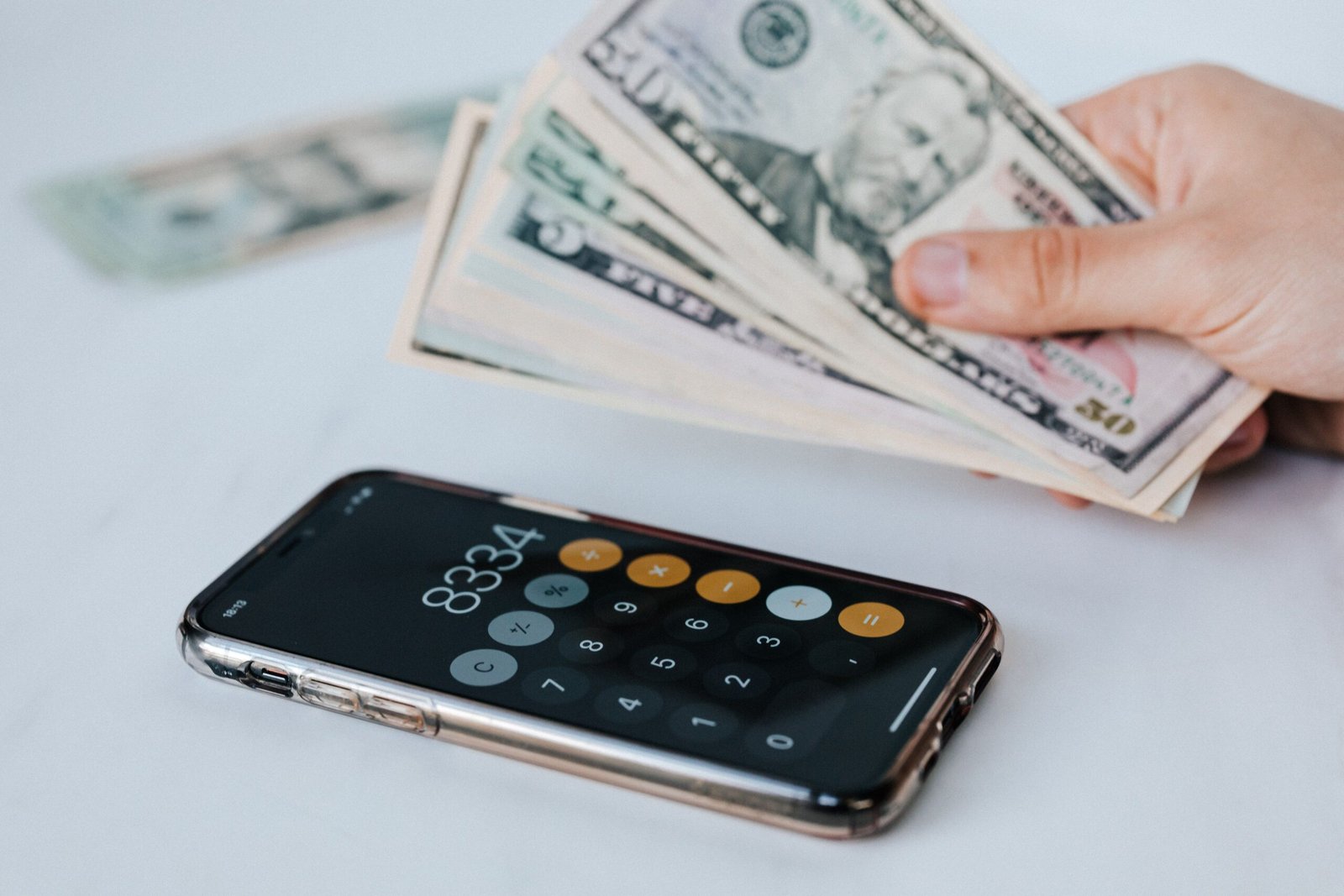
Top Budgeting Apps to Manage Your Money Better in 2026
Meta Title: Top Budgeting Apps to Manage Your Money Better in 2026
Meta Description: Discover the top budgeting apps in 2026 to track expenses, manage bills, save money and reach financial goals. Compare features, pricing, pros and cons.
Suggested URL: /top-budgeting-apps-2026/
Primary Keyword: top budgeting apps
Secondary Keywords: best budgeting apps 2026, budgeting apps, money management apps, best budget app, expense tracker apps, personal finance apps, free budgeting apps, budget planner apps, financial planning apps, apps to manage money
Top Budgeting Apps to Manage Your Money Better in 2026
Managing your money can become difficult when expenses come from multiple bank accounts, credit cards, subscriptions, loans and digital payment services.
A good budgeting app can simplify that process.
Instead of manually reviewing spreadsheets or checking several financial accounts every day, budgeting apps can help you organize spending, create categories, monitor bills, establish savings goals and understand your overall financial position.
But there isn’t one budgeting app that works perfectly for everyone.
Some apps are built around strict zero-based budgeting. Others focus on automated expense tracking, household finances, subscriptions, investment monitoring or credit information.
In this guide, we’ll examine the top budgeting apps in 2026, compare their features and costs, explain who each app is best for, and show you how to choose the right budgeting tool for your financial goals.
Current 2026 comparisons from NerdWallet include Monarch Money, YNAB, Goodbudget, Empower Personal Dashboard, PocketGuard, Honeydue, EveryDollar, Copilot Money and WalletHub, with different products recommended for different budgeting styles and financial needs.
Quick answer: YNAB is a strong choice for people who want hands-on zero-based budgeting, Monarch Money is well suited to comprehensive household financial management, Goodbudget is useful for envelope budgeting, and Empower is better suited to people who want spending, net-worth and investment tracking.
Table of Contents
- What Is a Budgeting App?
- Why Use a Budgeting App in 2026?
- Best Budgeting Apps at a Glance
- YNAB
- Monarch Money
- Goodbudget
- EveryDollar
- PocketGuard
- Empower Personal Dashboard
- Honeydue
- Copilot Money
- WalletHub
- Free vs. Paid Budgeting Apps
- Important Budgeting App Features
- How to Choose the Best Budgeting App
- Best Budgeting Apps for Beginners
- Best Budgeting Apps for Couples
- Best Budgeting Apps for Debt Payoff
- Best Budgeting Apps for Saving Money
- Best Budgeting Apps for Investors
- Are Budgeting Apps Safe?
- How to Use a Budgeting App
- Common Budgeting Mistakes
- Budgeting Apps vs. Spreadsheets
- Frequently Asked Questions
- Final Verdict
What Is a Budgeting App?
A budgeting app is a digital tool that helps you plan, track and manage your money.
Depending on the application, you may be able to connect:
- Checking accounts
- Savings accounts
- Credit cards
- Loans
- Investment accounts
- Retirement accounts
The app can then organize financial information into categories and dashboards.
Typical features include:
- Monthly budgets
- Expense tracking
- Automatic transaction categorization
- Bill reminders
- Savings goals
- Debt tracking
- Account synchronization
- Spending reports
- Cash-flow analysis
- Net-worth tracking
Some apps are highly automated, while others require users to manually enter transactions and actively decide where their money should go.
That difference is important.
The best budgeting app isn’t necessarily the one with the most features.
It’s the one that matches the way you prefer to manage money.
Why Use a Budgeting App in 2026?
Financial management has become increasingly digital.
Consumers may have several bank accounts, multiple credit cards, investment accounts and dozens of recurring digital subscriptions.
A budgeting app can bring much of that information together.
NerdWallet’s 2026 evaluation specifically notes that budgeting apps differ in their level of automation, bank connectivity and hands-on planning, making it important to choose an app based on how you actually manage money.
1. Track Your Spending
The first step toward improving your finances is understanding where your money goes.
A budgeting app can categorize purchases such as:
- Groceries
- Restaurants
- Transportation
- Housing
- Entertainment
- Shopping
- Utilities
- Insurance
- Subscriptions
After several weeks, spending patterns become easier to identify.
2. Create a Monthly Budget
A budget gives every dollar a purpose.
Instead of simply asking:
“Where did my money go?”
you can ask:
“Where should my money go?”
That change can make budgeting much more proactive.
3. Reduce Unnecessary Spending
A budget app can reveal expenses that you may not notice during everyday spending.
For example:
You might discover that multiple streaming services, delivery fees and frequent restaurant purchases are consuming hundreds of dollars each month.
Once you see the numbers, you can decide what to change.
4. Track Savings Goals
Most people have financial goals.
Examples include:
- Emergency fund
- Vacation
- Home down payment
- New car
- Education
- Retirement
- Debt payoff
A budgeting app can help turn those goals into specific targets.
5. Monitor Bills
Recurring bills are easier to manage when their due dates are visible in one place.
Some applications can also provide reminders for upcoming payments.
6. Understand Your Financial Position
More advanced applications can show:
- Net worth
- Investment balances
- Debt
- Cash flow
- Spending trends
This creates a broader view of your finances.
Best Budgeting Apps in 2026 at a Glance
| Budgeting App | Best For | Pricing | Main Strength |
|---|---|---|---|
| YNAB | Zero-based budgeting | Paid | Hands-on financial planning |
| Monarch Money | Overall household finances | Paid | Budgeting + net worth + investments |
| Goodbudget | Envelope budgeting | Free + paid | Digital envelope system |
| EveryDollar | Simple budgeting | Free + paid | Zero-based budgeting |
| PocketGuard | Spending overview | Free + paid | Simplified budget snapshot |
| Empower | Wealth tracking | Free | Investments + net worth |
| Honeydue | Couples | Free + paid | Shared household finances |
| Copilot Money | Automated categorization | Paid | AI-assisted organization |
| WalletHub | Credit monitoring | Free + paid | Credit-focused tools |
Prices and features can change, so check the provider’s current pricing page before purchasing.
1. YNAB
Best for: Zero-based budgeting
YNAB, short for You Need A Budget, is one of the best-known budgeting platforms for people who want an active and structured approach to money management.
Its core philosophy is simple:
Give every dollar a job.
Rather than waiting until the end of the month to analyze spending, you decide in advance how available money should be allocated.
Current YNAB pricing is $14.99 per month or $109 per year, with a 34-day free trial listed by the company.
Key YNAB Features
- Zero-based budgeting
- Spending categories
- Savings goals
- Account synchronization
- Debt payoff tools
- Spending reports
- Loan payoff simulator
- Household sharing
- Mobile and desktop access
YNAB also supports household sharing through its YNAB Together feature.
Advantages
YNAB is particularly effective if you want to become intentional about every financial decision.
It’s useful for people who:
- Overspend regularly
- Want a strict budget
- Are paying down debt
- Want to build savings
- Prefer proactive planning
Disadvantages
YNAB requires participation.
If you want an app that automatically categorizes everything and simply displays your financial information, YNAB may feel more demanding.
Its subscription price can also be a disadvantage for users looking for a completely free budgeting solution.
Best For
Serious budgeters who want a structured system rather than a passive expense tracker.
2. Monarch Money
Best for: Comprehensive money management
Monarch Money is designed to provide a broader financial dashboard.
It combines budgeting with:
- Investment tracking
- Net-worth monitoring
- Financial goals
- Account synchronization
- Reports
- Bill reminders
- Household collaboration
NerdWallet currently highlights Monarch for flexible budgeting and notes that users can choose between flexible and category-based budgeting. It also supports household collaboration and financial tracking beyond ordinary monthly budgets.
Monarch Money Pricing
Current pricing listed by NerdWallet is:
- $99.99 annually
- $14.99 monthly
- Seven-day free trial
Advantages
Monarch is attractive for people who want one place to monitor:
- Spending
- Savings
- Investments
- Net worth
- Financial goals
It is especially useful for households.
Disadvantages
It may be more sophisticated than necessary for someone who only needs a basic monthly budget.
The subscription cost also makes it less attractive to users looking for free budgeting software.
Best For
People who want a complete household financial dashboard rather than a simple spending tracker.
3. Goodbudget
Best for: Envelope budgeting
Goodbudget brings the traditional envelope budgeting system into an app.
The idea is straightforward.
You divide available money into categories, or “envelopes,” such as:
- Groceries
- Rent
- Transportation
- Dining
- Entertainment
- Savings
- Clothing
When an envelope is empty, you’ve reached the amount allocated to that category.
Goodbudget Pricing
The free version provides basic envelope budgeting.
NerdWallet currently lists Goodbudget Premium at:
- $10 monthly
- $80 annually
Advantages
Goodbudget is useful for people who enjoy hands-on planning.
It can also be helpful for households that want to share a budget.
Disadvantages
The free version requires more manual management and doesn’t provide the same level of automation as some competing apps.
Best For
People who prefer the traditional envelope budgeting method.
4. EveryDollar
Best for: Simple zero-based budgeting
EveryDollar is built around zero-based budgeting.
The application comes from Ramsey Solutions and provides a straightforward framework for allocating income.
The free version requires manual transaction entry, while premium functionality adds bank synchronization and additional reports and recommendations. NerdWallet reports that EveryDollar relaunched in January 2026 with features including personalized plans, a margin-finder tool, lessons and group coaching.
Pricing
Current pricing listed by NerdWallet includes:
- Free basic version
- $79.99 annually for Premium
- $17.99 monthly for Premium
Advantages
- Simple budgeting structure
- Zero-based methodology
- Beginner-friendly concept
- Mobile and web access
- Educational resources
Disadvantages
Manual entry in the free version may be inconvenient for people with many transactions.
Best For
Users who want simple, rule-based zero-based budgeting.
5. PocketGuard
Best for: Seeing how much you can spend
PocketGuard takes a simplified approach to budgeting.
One of its primary ideas is helping users understand how much money remains available after accounting for bills, goals and other expenses.
That can be useful for people who don’t want to manage dozens of detailed categories.
Advantages
- Simple interface
- Spending overview
- Budgeting tools
- Financial account connections
- Goal tracking
Disadvantages
People who want highly detailed, hands-on budgeting may prefer YNAB or Goodbudget.
Best For
Users who want a quick snapshot of their available spending money.
6. Empower Personal Dashboard
Best for: Net worth and investment tracking
Empower is somewhat different from traditional budgeting applications.
Its strength is broader financial tracking.
You can monitor:
- Bank accounts
- Credit cards
- Loans
- Retirement accounts
- Investments
- Net worth
NerdWallet currently lists Empower Personal Dashboard as a free option for users interested in tracking wealth and spending.
Advantages
- Free
- Investment tracking
- Net-worth monitoring
- Spending categories
- Portfolio information
Disadvantages
It’s not designed primarily for hands-on monthly budgeting.
Best For
Investors and users who want to understand their overall financial position.
7. Honeydue
Best for: Couples
Managing money as a couple can be complicated.
Partners may have:
- Joint accounts
- Separate accounts
- Shared bills
- Individual expenses
- Shared savings goals
Honeydue focuses specifically on couples.
Potential Benefits
- Shared financial visibility
- Expense coordination
- Bill tracking
- Household budgeting
Best For
Couples who want a dedicated shared money-management application.
8. Copilot Money
Best for: Automated categorization
Copilot Money emphasizes automation and AI-assisted financial organization.
The app can categorize spending and provide a broader view of:
- Spending
- Cash flow
- Investments
- Net worth
- Recurring bills
NerdWallet currently notes that Copilot uses AI to autocategorize spending and is designed for Apple users.
Pricing
NerdWallet currently lists Copilot at:
- $13 per month
- $95 annually
Advantages
- Automated categorization
- Modern interface
- Financial dashboard
- Cash-flow tracking
- Net-worth monitoring
Disadvantages
Its platform availability may not suit everyone.
Best For
Apple users who prefer automated financial organization.
9. WalletHub
Best for: Credit monitoring
WalletHub is more focused on credit than some of the traditional budgeting applications.
It can be useful for people interested in:
- Credit monitoring
- Credit-related information
- Financial tracking
NerdWallet currently lists a free option for credit monitoring alongside paid tiers.
Best For
People whose primary financial-management goal is monitoring credit.
Free vs. Paid Budgeting Apps
One of the biggest decisions is whether you need a free or paid application.
Free Budgeting Apps
Free tools can be excellent for basic requirements.
You may get:
- Expense tracking
- Basic budgets
- Manual transaction entry
- Simple reports
Advantages
- No subscription
- Easy to test
- Low financial commitment
Disadvantages
- Limited automation
- Fewer advanced features
- Potential advertisements
- Less customization
Paid Budgeting Apps
Premium applications can offer:
- Automated synchronization
- Advanced reporting
- Financial goals
- Household sharing
- Investment tracking
- Advanced budgeting
- Personalized recommendations
But paying for an app doesn’t guarantee better financial results.
The value comes from actually using the features.
How Much Should You Pay for a Budgeting App?
Consider the potential return.
Suppose an app costs:
$100 per year
and helps you reduce unnecessary spending by:
$50 per month
Your potential annual savings would be:
$50 × 12 = $600
In that situation, the subscription may be financially worthwhile.
But if you don’t use the app consistently, even a cheap subscription can become an unnecessary expense.
Important Features to Look for in Budgeting Apps
Automatic Bank Synchronization
This can save significant time.
Instead of entering every transaction manually, supported accounts can synchronize with the app.
However, always verify whether your financial institutions are supported.
Expense Categorization
Automatic categories make spending easier to understand.
But review categories regularly because automated classification isn’t always perfect.
Savings Goals
Look for tools that allow you to create specific targets.
For example:
Emergency Fund Goal: $5,000
Current Balance: $2,500
Progress: 50%
Seeing progress can make long-term goals more motivating.
Bill Reminders
A good budgeting system should make upcoming obligations visible.
Debt Tracking
If you’re paying off debt, look for features that show:
- Balance
- Interest rate
- Minimum payment
- Due date
- Progress
Net Worth Tracking
Net-worth tracking gives you a long-term financial perspective.
Net Worth = Assets − Liabilities
Investment Tracking
Some apps can connect investment accounts and show portfolio balances.
However, investment tracking is different from personalized investment advice.
Best Budgeting Apps for Beginners
Beginners should focus on simplicity.
You don’t need a complicated financial dashboard to start.
A beginner-friendly system should make it easy to:
- Track income.
- Categorize expenses.
- Set spending limits.
- Create savings goals.
- Review results every month.
YNAB can be a good option for someone willing to learn a structured budgeting method, while Goodbudget may appeal to people who understand the envelope system. Empower can be more appropriate for users who mainly want financial visibility rather than active budget allocation.
Best Budgeting Apps for Couples
Money management becomes more complicated when two people share expenses.
Before choosing an app, decide whether you want:
- Complete financial transparency
- Shared budgets
- Shared savings goals
- Separate personal spending
- Joint bill tracking
Honeydue is specifically oriented toward couples.
Monarch Money is another option for households that want broader financial management and investment tracking.
Best Budgeting Apps for Debt Payoff
A budgeting app can be particularly useful when you’re trying to eliminate debt.
Start by recording every debt.
| Debt | Balance | Interest Rate | Minimum Payment |
|---|---|---|---|
| Credit Card A | $3,000 | 24% | $90 |
| Credit Card B | $1,500 | 20% | $50 |
| Personal Loan | $5,000 | 12% | $150 |
Then choose a strategy.
Debt Avalanche
Pay the highest-interest debt first.
This approach can reduce the amount of interest paid over time.
Debt Snowball
Pay the smallest balance first.
This can provide psychological motivation through quick wins.
Your budgeting app can help you find additional money to direct toward debt.
For general consumer debt education, consult the Consumer Financial Protection Bureau.
Best Budgeting Apps for Saving Money
Saving becomes easier when the goal is specific.
Instead of:
“I need to save more.”
Create:
“I want $5,000 in my emergency fund by December.”
Then calculate the required monthly contribution.
If you need $5,000 in 10 months:
$5,000 ÷ 10 = $500 per month
A budgeting app can help you track that target.
For more information, see our internal article:
[Internal Link: How to Build an Emergency Fund]
Best Budgeting Apps for Investors
Budgeting and investing are closely connected.
Before investing, you need to understand:
- Income
- Expenses
- Debt
- Emergency savings
- Available cash flow
Once the basics are under control, investment tracking can become part of your financial dashboard.
Empower is particularly relevant here because its free dashboard includes investment and net-worth tracking.
For beginner readers, link to:
[Internal Link: Beginner’s Guide to Investing]
Are Budgeting Apps Safe?
Security should be one of your most important considerations.
Many budgeting applications that synchronize financial accounts use third-party data aggregators to connect with banks and other financial institutions.
NerdWallet notes that common financial-data aggregators include Plaid, Yodlee and Finicity by Mastercard, and recommends looking for security practices such as strong encryption and multi-factor authentication.
Before connecting an account, check:
1. Encryption
Does the provider explain how financial information is protected?
2. Multi-Factor Authentication
MFA provides another layer of protection beyond a password.
3. Privacy Policy
Understand how your financial information may be collected and used.
4. Account Access
Only connect accounts necessary for the features you intend to use.
5. Data Deletion
Understand how to disconnect accounts and delete your data if you stop using the service.
For broader consumer financial information, readers can also consult the Federal Trade Commission.
How to Choose the Best Budgeting App
Use this simple process.
Step 1: Identify Your Financial Problem
Are you struggling with:
- Overspending?
- Debt?
- Saving?
- Subscriptions?
- Investments?
- Household finances?
Start there.
Step 2: Choose Your Budgeting Style
Do you prefer:
Zero-based budgeting?
Consider YNAB or EveryDollar.
Envelope budgeting?
Consider Goodbudget.
Automated financial tracking?
Consider Monarch Money or Copilot.
Investment tracking?
Consider Empower.
Couples budgeting?
Consider Honeydue or Monarch.
Step 3: Decide Whether You Need Bank Sync
If you don’t mind manual entry, a free option may be enough.
If you want automation, you may need a paid plan.
Step 4: Compare Costs
Don’t compare monthly prices alone.
Calculate the annual cost.
For example:
$14.99 × 12 = $179.88
An annual subscription may be considerably cheaper than paying monthly, depending on the provider.
Step 5: Test Before Paying
If an app offers a free trial, use it.
Don’t subscribe simply because an app has excellent reviews.
Test whether you actually enjoy using it.
How to Use a Budgeting App Effectively
Downloading an application isn’t enough.
The real benefit comes from building a habit.
Daily
Check:
- New transactions
- Account balances
- Unexpected charges
Weekly
Review:
- Spending
- Upcoming bills
- Budget categories
- Savings progress
Monthly
Review:
- Total income
- Total spending
- Savings
- Debt
- Financial goals
Quarterly
Look for:
- Unused subscriptions
- Increasing expenses
- Changes in income
- Investment changes
- Insurance costs
Annually
Complete a full financial review.
Calculate:
Net Worth = Total Assets − Total Liabilities
Then compare your result with the previous year.
Common Budgeting Mistakes
Mistake 1: Creating an Unrealistic Budget
If you normally spend $500 on groceries, setting a $150 grocery budget probably won’t work.
Build your budget from real spending patterns.
Mistake 2: Forgetting Irregular Expenses
Some expenses don’t happen every month.
Examples:
- Insurance premiums
- Annual memberships
- School expenses
- Holiday spending
- Property taxes
- Vehicle maintenance
Create a sinking fund for these expenses.
Mistake 3: Ignoring Small Purchases
A $5 purchase doesn’t seem significant.
But repeated purchases add up.
Twenty $5 purchases equal:
$100
Mistake 4: Paying for an App You Don’t Use
If you haven’t opened your budgeting app for two months, the subscription probably isn’t providing value.
Mistake 5: Tracking Without Changing Behavior
Tracking spending is useful.
But the objective is improvement.
If the app tells you that you’re spending too much on restaurants, use that information to change your budget.
Budgeting Apps vs. Spreadsheets
Spreadsheets remain a strong alternative.
Budgeting Apps
Advantages
- Automation
- Bank synchronization
- Mobile access
- Notifications
- Reports
- Automatic categorization
Disadvantages
- Subscription costs
- Privacy considerations
- Account synchronization issues
Spreadsheets
Advantages
- Highly customizable
- Low cost
- Complete control
- Custom formulas
Disadvantages
- More manual work
- No automatic synchronization
- More time-consuming
If you enjoy building spreadsheets, a spreadsheet can be excellent.
If you want automation, an app is probably more convenient.
How to Create a Simple Monthly Budget
You don’t need an advanced financial system.
Start with this formula:
Monthly Income − Essential Expenses − Savings − Debt Payments = Discretionary Money
For example:
Monthly income:
$4,000
Essential expenses:
$2,200
Savings:
$500
Debt payments:
$500
Remaining:
$800
That $800 can then be allocated toward flexible spending.
A budgeting app can make this calculation easier to maintain throughout the month.
For a complete tutorial, add:
[Internal Link: How to Create a Monthly Budget]
Budgeting Apps and the 50/30/20 Rule
The 50/30/20 rule is another popular budgeting framework.
It divides after-tax income approximately into:
- 50% needs
- 30% wants
- 20% savings and debt repayment
For $4,000 of monthly take-home income:
50% = $2,000
30% = $1,200
20% = $800
However, this is a framework, not a universal financial law.
Housing costs, income, family size, debt and local living costs can make different allocations more realistic.
The important thing is to create a budget that reflects your actual situation.
How Budgeting Apps Can Help With Financial Goals
A budgeting app is most useful when connected to specific goals.
Goal 1: Emergency Fund
Target: $10,000
Current: $4,000
Remaining: $6,000
Goal 2: Vacation
Target: $3,000
Current: $1,200
Remaining: $1,800
Goal 3: Debt Payoff
Target: $8,000
Current debt: $5,500
Remaining: $5,500
Breaking large goals into measurable numbers makes them easier to manage.
High-Value Financial Topics to Connect With Budgeting
If you’re building a personal finance website, budgeting should be part of a larger content ecosystem.
Create supporting articles about:
- Credit cards
- Credit scores
- Personal loans
- Debt consolidation
- Investing
- Retirement
- Insurance
- Mortgages
- Savings accounts
- High-yield savings
- Tax software
- Financial planning
- Emergency funds
These subjects can attract users at different stages of the financial journey.
Recommended internal articles include:
[Internal Link: Best Personal Finance Apps in 2026]
[Internal Link: Best Investment Apps in 2026]
[Internal Link: Best Credit Monitoring Apps]
[Internal Link: Best High-Yield Savings Accounts]
[Internal Link: How to Improve Your Credit Score]
[Internal Link: Best Debt Payoff Strategies]
[Internal Link: Beginner’s Guide to Investing]
[Internal Link: How to Build an Emergency Fund]
This creates a strong topical cluster around personal finance.
Frequently Asked Questions
What is the best budgeting app in 2026?
There is no universal winner. YNAB is a strong choice for zero-based budgeting, Monarch Money is useful for comprehensive household finances, Goodbudget is suited to envelope budgeting, and Empower is useful for investment and net-worth tracking.
What is the best free budgeting app?
Several apps provide free plans or free financial dashboards. Empower is currently listed as a free option for wealth and spending tracking, while Goodbudget and EveryDollar provide free versions with limitations.
Is YNAB worth paying for?
YNAB can be worthwhile if you actively use its zero-based budgeting methodology. Current pricing is $14.99 per month or $109 annually.
Is Monarch Money better than YNAB?
They serve different purposes. YNAB emphasizes hands-on zero-based budgeting, while Monarch provides broader financial management including budgeting, investments, net worth and household collaboration.
What is the easiest budgeting app for beginners?
Goodbudget, EveryDollar and simplified budgeting applications can be approachable for beginners. The best choice depends on whether you prefer envelope budgeting, zero-based budgeting or automated tracking.
What is the best budgeting app for couples?
Honeydue is specifically designed for couples. Monarch Money is another strong option for households that want broader financial management.
Can budgeting apps help you save money?
They can help identify spending patterns, recurring charges and opportunities to reduce expenses. However, the app itself doesn’t create savings; your financial decisions do.
Are budgeting apps safe?
Reputable budgeting applications generally use security measures to protect financial information, but practices vary. Review encryption, authentication, privacy policies and account-connection methods before linking accounts.
Do budgeting apps connect to bank accounts?
Many do, although some free or manual budgeting systems allow users to enter transactions without connecting financial accounts.
Should I use a budgeting app or Excel?
Use whichever system you’ll consistently maintain. Apps offer automation and convenience, while Excel or Google Sheets offer greater customization.
Final Verdict: The Best Budgeting App Depends on You
The best budgeting app isn’t necessarily the most expensive or feature-rich application.
It’s the one that matches your financial goals and your preferred budgeting style.
Choose YNAB if:
You want structured, zero-based budgeting.
Choose Monarch Money if:
You want budgeting combined with investments, net worth and household financial management.
Choose Goodbudget if:
You prefer the envelope budgeting system.
Choose EveryDollar if:
You want a straightforward zero-based budgeting framework.
Choose PocketGuard if:
You want a simplified view of available spending money.
Choose Empower if:
Your priorities include investments and net-worth tracking.
Choose Honeydue if:
You’re managing money with a partner.
Choose Copilot if:
You want automated categorization and a modern financial dashboard.
Choose WalletHub if:
Credit monitoring is your primary financial priority.
Ultimately, successful budgeting isn’t about finding the perfect application.
It’s about building a system you can maintain.
Start by understanding your income and expenses. Set realistic spending limits. Create specific savings goals. Review your transactions regularly. Adjust your budget when your circumstances change.
A good budgeting app can make all of those steps easier.
But the most important financial tool is still your behavior.
Choose an app that makes good money habits easier—and then use it consistently.
Editorial and SEO Notes
Primary keyword: top budgeting apps
Keyword variations:
- best budgeting apps 2026
- top budget apps
- best budget app
- budgeting apps
- money management apps
- personal finance apps
- free budgeting apps
- expense tracker apps
- budget planner apps
- financial planning apps
- apps to manage money
- best money management apps
- budgeting software
- monthly budget app
Suggested article length: 4,500–6,000 words after adding original screenshots, tables, expert commentary and supporting examples.
Suggested featured-image filename:
top-budgeting-apps-2026.jpg
Suggested featured-image ALT:
Top budgeting apps to manage money better in 2026
Suggested additional image ALT text:
- Best budgeting apps comparison in 2026
- YNAB budgeting app dashboard
- Monarch Money financial dashboard
- Digital envelope budgeting app
- Personal finance budgeting app
- Monthly budget tracker
- Money management app comparison
Suggested schema:
- Article
- FAQPage
- ItemList
- BreadcrumbList
Suggested author box:
Include the writer’s real name, finance experience/credentials and an editorial-review date. For financial/YMYL content, don’t create fictional credentials or pretend that an article has been reviewed by a financial professional when it hasn’t.
Internal Linking Structure
Use this page as the pillar article:
/top-budgeting-apps-2026/
Then connect it to supporting articles:
/best-personal-finance-apps-2026/
/best-investment-apps-2026/
/best-credit-monitoring-apps/
/best-high-yield-savings-accounts/
/how-to-create-a-monthly-budget/
/how-to-build-an-emergency-fund/
/how-to-improve-credit-score/
/how-to-pay-off-credit-card-debt/
/beginner-investing-guide/
/best-debt-payoff-strategies/
The links should be placed naturally within relevant paragraphs rather than adding a large block of unrelated links.
External Authority Sources
Use authoritative sources where they genuinely support a claim:
- Consumer Financial Protection Bureau
- Federal Trade Commission
- FDIC
- SEC
- IRS
- Official budgeting-app websites
- High-quality financial publications
For example, the Consumer Financial Protection Bureau can support general consumer-finance information, while official provider pages should be used for current pricing and product features.
SEO Publishing Checklist
Before publishing, verify:
- Primary keyword appears naturally in the title.
- Primary keyword appears in the introduction.
- Primary keyword appears in at least one H2.
- Related keywords appear naturally throughout the article.
- Meta title is unique.
- Meta description is compelling rather than keyword-stuffed.
- URL is short and descriptive.
- One clear H1 is used.
- H2/H3 hierarchy is logical.
- Images are compressed.
- Images have descriptive ALT text.
- Internal links point to relevant pages.
- External links point to trustworthy sources.
- Author information is genuine.
- Last-updated date is visible.
- Pricing is checked immediately before publishing.
- FAQ schema matches the visible FAQ content.
- Article contains original analysis rather than simply rewriting competitors.
- Affiliate relationships are disclosed where applicable.
- Financial disclaimers are used where appropriate.
Important: Don’t chase an arbitrary “80% SEO score.” Tools such as Yoast, Rank Math and Surfer can help identify on-page issues, but their scores are not Google’s ranking score. A high-quality finance article needs accurate information, useful original analysis, trustworthy sourcing, good UX and strong topical coverage—not just a high plugin percentage.